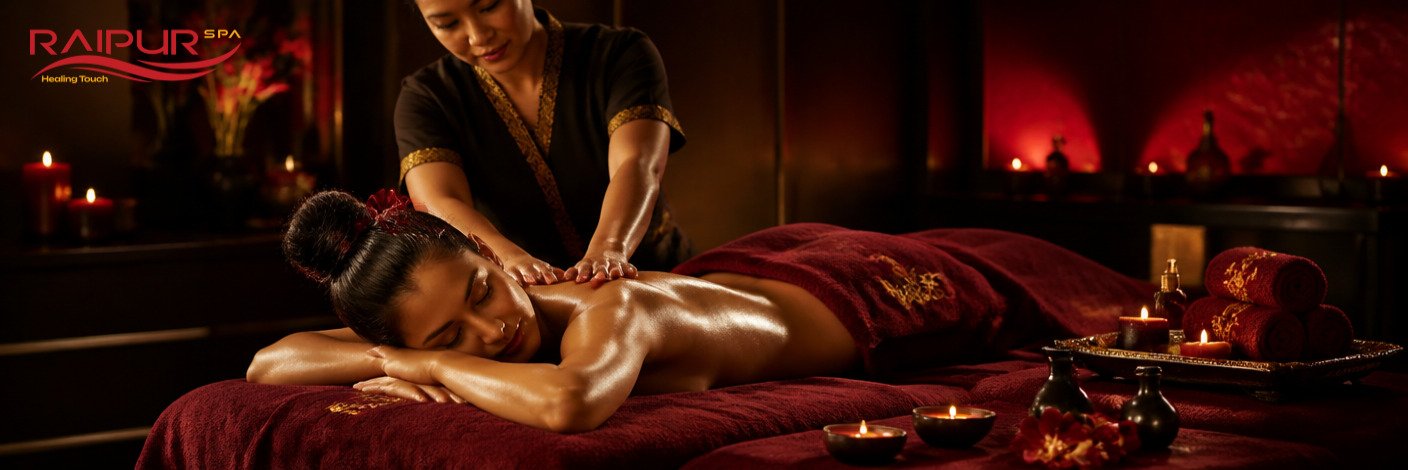
What is the best massage in Raipur for back pain and neck pain relief?
Deep tissue massage is commonly chosen in Raipur for back and neck pain because it targets deeper muscle layers and fascia with slow, firm pressure. Sessions usually run 45 to 90 minutes and focus on the upper back, shoulders, and neck. Many people report temporary easing of tightness and improved mobility; results vary, and persistent pain should be checked by a doctor.
Key Takeaways
- • Deep tissue massage uses slow, firm pressure aimed at deeper muscle layers and fascia.
- • It is typically chosen for upper back, shoulder, and neck tightness rather than general relaxation.
- • A session usually lasts 45 to 90 minutes depending on the areas treated.
- • Some soreness for a day after the session is common and generally mild.
- • Massage offers temporary relief and is not a substitute for medical diagnosis or treatment.
- • Booking a consultation first helps the therapist adjust pressure to your comfort level.
Deep Tissue Massage in Raipur for Back Pain & Neck Pain Relief is a focused therapeutic massage that works on the deeper layers of muscle and connective tissue. Using slow, firm strokes and sustained pressure, a trained therapist targets knots, adhesions and tension patterns in the back, shoulders and neck. At Raipur SPA, sessions are tailored to your pain points and comfort level.
Key Takeaways
- Deep tissue massage uses slow, firm pressure to reach deeper muscle layers and fascia, not just the surface.
- It's especially useful for desk-job neck stiffness, lower back tightness, postural strain and chronic muscle knots.
- A session usually lasts 45–60 minutes; soreness for a day is normal, sharp pain is not.
- Tell your therapist about injuries, surgeries or medical conditions before the session begins.
- Combining massage with stretching, better posture and hydration gives longer-lasting relief.
- At Raipur SPA in Samta Colony, therapies start from ₹999 and the spa is open daily from 11:00 AM to 09:00 PM.
Why Back and Neck Pain Has Become So Common in Raipur
Walk into any office in Raipur and you'll see the same picture: people hunched over laptops for eight hours, shoulders creeping up toward their ears. Add long commutes on two-wheelers, poor mattress choices and irregular exercise, and the result is predictable.
The neck and lower back carry most of this load. Muscles adapt to bad posture by shortening and tightening, and over months those tight bands develop trigger points — small, tender knots that refer pain to other areas. That's why a stiff neck can cause headaches, and a tight lower back can send discomfort down the hip.
Most people ignore it until it becomes a daily annoyance. Massage is one of the simplest, drug-free ways to interrupt that cycle.
But why is this happening more in Raipur specifically? The city's rapid growth has brought longer commutes, more screen time, and higher stress levels. Many professionals spend hours in traffic on two-wheelers, leaning forward and gripping the handlebars, which strains the neck and lower back. Others work in air-conditioned offices where cold temperatures can exacerbate muscle stiffness. Additionally, the culture of long work hours often leaves little time for exercise or stretching. The combination of physical strain, sedentary habits, and stress creates a perfect storm for musculoskeletal pain.
Consider the typical day of a Raipur resident: wake up, sit in traffic, sit at a desk, sit in traffic again, then relax on the couch. That's hours of uninterrupted sitting, which shortens hip flexors, weakens glutes, and tightens the neck. Over time, the body adapts to this posture, leading to chronic pain. Deep tissue massage addresses these adaptations by manually lengthening tight muscles and breaking down adhesions, providing relief that lasts beyond the session.
What Exactly Is Deep Tissue Massage?
Deep tissue massage is not simply "hard massage." It's a technique-driven approach where the therapist uses forearms, elbows, knuckles and thumbs to apply slow, deliberate pressure across the muscle grain.
The strokes are slower than in a Swedish massage, and the pressure is sustained rather than rhythmic. This helps break down adhesions — the sticky bands of scar-like tissue that form between muscle layers after repeated strain — and restores normal glide between tissues.
It's also why communication matters so much. A good therapist adjusts depth based on your breathing and feedback, working with your body rather than forcing through it.
To understand deep tissue massage better, it helps to know the anatomy. Muscles are surrounded by fascia, a connective tissue that can become restricted due to injury, poor posture, or stress. These restrictions can create trigger points—hyperirritable spots in taut bands of muscle fibers that refer pain to other areas. Deep tissue massage focuses on releasing these restrictions by applying sustained pressure and friction across the muscle fibers. This technique helps to realign the fibers, break down scar tissue, and restore normal function.
Unlike relaxation massage, deep tissue massage may involve some discomfort during the session, but it should never be unbearable. The therapist will often ask you to breathe deeply through the pressure, which helps your muscles relax and allows the therapist to work deeper. After the session, you may feel some soreness, similar to what you feel after a workout, but this usually subsides within 24-48 hours. Many people report immediate relief and increased mobility.
How Deep Tissue Massage Helps Back Pain
1. Releases chronic muscle tension
Lower back pain is often muscular rather than structural. Sustained pressure helps lengthen tight fibres in the erector spinae, quadratus lumborum and glutes, reducing the constant "pulling" sensation.
2. Improves blood flow and healing
Firm strokes encourage circulation to areas that have been starved of movement. Better blood flow means better oxygen and nutrient delivery, which supports recovery.
3. Reduces trigger points
Trigger points in the back refer pain in patterns that can mimic sciatica or hip problems. Targeted deep tissue work releases these knots and often reduces referred pain significantly.
4. Restores mobility
When muscles relax and fascia loosens, bending, twisting and sitting become easier. Many clients notice they can turn their torso or tie their shoes without wincing.
Let's delve deeper into each of these mechanisms. Chronic muscle tension in the lower back often stems from prolonged sitting, which keeps the muscles in a shortened state. Over time, this leads to the formation of adhesions and trigger points. Deep tissue massage applies sustained pressure to these areas, which helps to break the cycle of tension and spasm. The therapist may use techniques such as myofascial release, which involves stretching and kneading the fascia to restore its pliability.
Improved blood flow is another key benefit. When muscles are tight, circulation is compromised, leading to a buildup of metabolic waste products that can cause pain and fatigue. Massage increases blood flow, which helps to flush out these toxins and deliver fresh oxygen and nutrients. This can accelerate the healing process and reduce post-exercise soreness.
Trigger points are another common source of back pain. These knots can be latent (causing pain only when pressed) or active (causing spontaneous pain). Active trigger points in the lower back can refer pain to the buttocks, hips, and even down the leg, mimicking sciatica. Deep tissue massage specifically targets these points, applying ischemic compression (sustained pressure) to release them. This can provide immediate relief and prevent future flare-ups.
Finally, restoring mobility is crucial for preventing recurrence. When muscles are tight, your range of motion is limited, which can lead to compensatory movements and further strain. By releasing tension and restoring normal muscle length, deep tissue massage helps you move more freely, reducing the risk of injury.
How Deep Tissue Massage Helps Neck Pain
Neck pain is usually a team effort between the upper trapezius, levator scapulae and suboccipital muscles at the base of the skull. Hours at a screen keep these muscles in a constant low-grade contraction.
Deep tissue work on the neck and upper shoulders releases that grip. Therapists often combine it with gentle stretching of the cervical spine. Clients frequently describe the effect as their head feeling "lighter" afterward.
If headaches accompany your neck stiffness, mention it during consultation — tension-type headaches often respond well to focused work on the suboccipitals and jaw muscles.
Neck pain can also be caused by emotional stress. When we're stressed, we tend to hunch our shoulders and clench our jaw, which tightens the neck muscles. Deep tissue massage not only addresses the physical tension but also promotes relaxation, which can help break the stress-pain cycle. The therapist may work on the sternocleidomastoid and scalene muscles, which are often overlooked but can contribute to neck pain and restricted movement.
For those with desk jobs, the neck is often held in a forward position for hours, leading to what's known as "forward head posture." This puts excessive strain on the cervical spine and the muscles that support it. Deep tissue massage can help correct this by lengthening the tight muscles in the front of the neck and strengthening the weak muscles in the back. However, massage alone is not enough; it should be combined with postural exercises and ergonomic adjustments for lasting results.
What to Expect During Your Session at Raipur SPA
Your visit starts with a short consultation. The therapist asks where it hurts, how long it's been going on, what makes it worse, and whether you have any medical history like disc issues, fractures, surgery or high blood pressure.
You'll then be positioned comfortably, and the therapist will begin with warming strokes before moving into deeper layers. Pressure is built gradually. If something feels sharp or unbearable, say so — deep tissue should feel intense but manageable, never like pain you have to "tough out."
Most sessions run 45 to 60 minutes. Many clients book a focused 60-minute session covering back, neck and shoulders. At Raipur SPA in Samta Colony, therapies start from ₹999, and the spa is open daily from 11:00 AM to 09:00 PM, which makes it easy to slot in a session after work.
During the massage, the therapist will use a variety of techniques, including effleurage (long, gliding strokes), petrissage (kneading), friction (circular pressure), and tapotement (rhythmic tapping). They may also use their forearms, elbows, and even knuckles to apply deeper pressure. You'll be draped with a sheet, and only the area being worked on will be exposed. The therapist will check in with you about pressure and comfort throughout the session.
After the massage, you'll be given time to relax and dress. The therapist may recommend stretches or exercises to do at home, as well as advice on hydration and self-care. It's common to feel a bit sore or tired immediately after, but many people feel a sense of relief and increased mobility. Drinking plenty of water and avoiding strenuous activity for the rest of the day can help maximize the benefits.
Deep Tissue vs. Swedish Massage: Which Do You Need?
Swedish massage is relaxation-first: light-to-medium pressure, flowing strokes, and a focus on calming the nervous system. Deep tissue is problem-first: slower, firmer work aimed at specific areas of tension.
If you're generally fine and just want to unwind, Swedish or aromatherapy massage is perfect. If you have a specific nagging spot in your back or neck that's been there for weeks, deep tissue is the better match. Many people alternate between the two.
Here's a quick comparison to help you decide:
- Swedish Massage: Best for overall relaxation, stress relief, and improving circulation. Pressure is light to medium, and the focus is on soothing the nervous system.
- Deep Tissue Massage: Best for chronic pain, muscle knots, and injury recovery. Pressure is firm and sustained, targeting deeper muscle layers and fascia.
- Aromatherapy Massage: Combines Swedish techniques with essential oils to enhance relaxation and address specific concerns like anxiety or insomnia.
- Sports Massage: Focuses on preventing and treating injuries related to sports and exercise, often incorporating deep tissue techniques.
If you're unsure which is right for you, consult with the therapist. They can tailor the session to your needs, combining techniques as appropriate.
Who Should Avoid or Take Extra Care
Deep tissue massage isn't right for everyone. Check with a doctor first if you have:
- Recent fractures, sprains or muscle tears
- Herniated discs with active nerve symptoms like numbness or weakness
- Blood clotting disorders or are on blood thinners
- An active infection, fever or skin condition in the treatment area
- Pregnancy (a specially trained prenatal therapist should be consulted)
This is not a substitute for medical diagnosis. If your pain is severe, worsening, or comes with numbness, tingling or weakness, see an orthopaedic or physiotherapy professional.
Additionally, if you have osteoporosis, rheumatoid arthritis, or cancer, you should consult your doctor before booking a deep tissue massage. In some cases, modifications can be made to ensure safety, such as using lighter pressure or avoiding certain areas. Always be transparent about your health history during the consultation.
Simple Habits That Make Results Last Longer
Massage opens a window of relaxation — what you do afterward decides how long it stays.
- Hydrate well for the next 24 hours to support circulation.
- Stretch daily, especially the chest, hip flexors and neck.
- Fix your desk setup: screen at eye level, feet flat, elbows at 90 degrees.
- Take movement breaks every 45 minutes instead of sitting for hours.
- Invest in a supportive mattress and pillow that keep your spine neutral.
Most people with chronic tension benefit from a session every 3–4 weeks, tapering to maintenance visits once pain settles.
Beyond these basics, consider incorporating strength training into your routine. Strengthening the core, back, and shoulder muscles can help support your spine and prevent pain. Exercises like planks, bridges, and rows are excellent. Also, pay attention to your sleeping position: sleeping on your stomach can strain your neck, so try sleeping on your side with a pillow that keeps your neck aligned with your spine. And don't underestimate the power of stress management—practices like deep breathing, meditation, or yoga can reduce muscle tension and improve your overall well-being.
Frequently Asked Questions
Is deep tissue massage painful?
It can feel intense, especially over tight knots, but it should never be sharp or unbearable. Good therapists adjust pressure constantly based on your breathing and feedback.
How many sessions will I need for back or neck pain?
Many people feel noticeable relief after one session. For long-standing tension, a series of 3–5 sessions spaced a week or two apart usually gives better, longer-lasting results.
How long does a deep tissue massage take?
Typically 45 to 60 minutes, depending on whether you're focusing on one area or the full back and shoulders. A short consultation is included before the massage begins.
Is it safe if I have a desk job and mild neck stiffness?
Yes, it's one of the most common reasons people book. Just inform the therapist about your posture habits and any history of injury so pressure can be adjusted appropriately.
Should I book deep tissue or Swedish massage?
Choose deep tissue if you have a specific, persistent area of tension. Choose Swedish or aromatherapy if your goal is relaxation and stress relief rather than targeted pain work.
What should I do after the massage?
Drink water, avoid heavy workouts for the day, and do gentle stretching. Mild soreness for 24 hours is normal, but sharp or lasting pain should be reported to a doctor.
Can deep tissue massage help with sciatica?
Deep tissue massage can help relieve muscle tension that contributes to sciatic pain, but it's not a cure for sciatica caused by a herniated disc or spinal stenosis. Always consult a healthcare professional for proper diagnosis and treatment.
How often should I get a deep tissue massage?
For chronic pain, once every 2-4 weeks is common. For maintenance, once a month is sufficient. Your therapist can recommend a schedule based on your condition.
Final Thoughts
Back and neck pain rarely disappears on its own when the cause — posture, stress, long sitting hours — is still there. Deep tissue massage gives your muscles a genuine reset, and paired with small daily changes, it can make a real difference in how you feel.
If you're in Raipur and ready to give your back and neck some proper attention, Raipur SPA in Samta Colony welcomes you daily from 11:00 AM to 09:00 PM. Therapies start from ₹999. To book your session, call or WhatsApp us at +91 7987 303 127 — we'll help you choose the right therapy for your pain.
Frequently Asked Questions
How long does a deep tissue massage for back and neck pain take?
Most sessions run 45 to 90 minutes. A focused 45-minute session can cover the neck and upper back, while 60 to 90 minutes allows time for the lower back and shoulders as well.
Is deep tissue massage painful?
It involves firm pressure and may feel intense in tight areas, but it should not be sharply painful. Tell your therapist if pressure is uncomfortable so it can be adjusted to a manageable level.
How often should I get a deep tissue massage for neck and back pain?
Frequency depends on your symptoms and lifestyle. Some people book every two to four weeks, while others go occasionally. A therapist can suggest a schedule after assessing your areas of tension.
What should I expect after a deep tissue massage?
Mild soreness similar to post-exercise stiffness can occur for up to a day. Drinking water and gentle stretching may help. Seek medical advice if pain worsens or persists.
Can deep tissue massage help with posture-related neck pain?
It may temporarily ease muscle tightness linked to prolonged sitting or screen use. Combining massage with posture breaks, stretching, and ergonomic adjustments tends to be more useful than massage alone.
Should I see a doctor before booking a deep tissue massage?
Yes, if you have recent injury, radiating pain, numbness, or a diagnosed spinal condition, consult a doctor first. Massage is generally avoided over acute injuries, inflammation, or certain medical conditions.
Book Your Session
Book Your SessionPeople Also Ask
Related Articles
Massage Therapy
Full Body Massage in Raipur: Swedish vs Deep Tissue vs Aroma Therapy Compared
12 min read · 20 Oct 2026

Massage Therapy
Pain Relief Massage in Raipur: How Deep Tissue Therapy Helps Back and Neck Pain
13 min read · 20 Oct 2026

Massage Therapy
Why Ayurvedic Massage Is the Best Natural Pain Relief in Raipur
14 min read · 19 Oct 2026
Enjoyed This Article?
Stop reading about relaxation — come experience it firsthand at Raipur SPA.