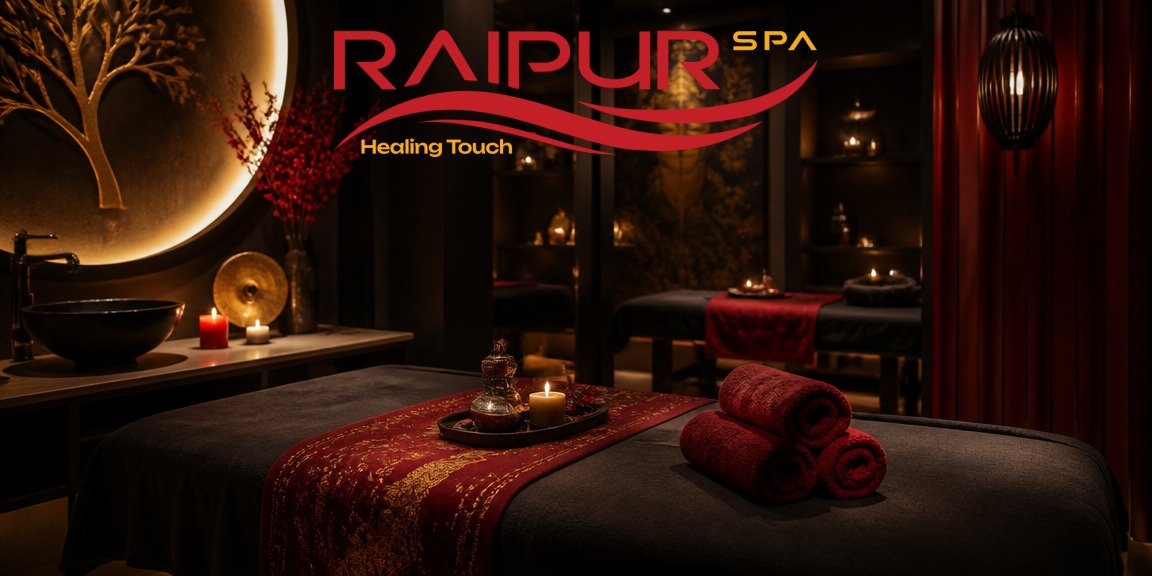
Leg massage in Raipur is a targeted therapy that uses manual pressure and rhythmic strokes to stimulate blood flow in your lower limbs. It directly addresses poor circulation, which can cause swelling, heaviness, and fatigue. At Raipur SPA in Samta Colony, we combine proven techniques to improve circulation, reduce muscle tension, and leave your legs feeling light and energized. This guide explains how leg massage works, its benefits, and why it’s a smart choice for anyone in Raipur dealing with tired legs.
Key Takeaways
- Leg massage improves blood flow, which helps reduce swelling, cramps, and the feeling of heavy legs.
- It’s especially helpful for people who stand or sit for long hours, like office workers, teachers, and nurses.
- Techniques like effleurage, petrissage, and lymphatic drainage target circulation issues from different angles.
- Regular sessions can lower stress and improve sleep, indirectly boosting overall wellness.
- In Raipur, you can get a professional leg massage at Raipur SPA for as low as ₹999, with sessions lasting 30-60 minutes.
- Pairing massage with hydration and light stretching enhances circulation benefits long-term.
Understanding the Link Between Leg Massage and Circulation
Your legs work hard all day, but blood has to travel against gravity to return to your heart. When circulation is sluggish, blood pools in your lower legs, causing that achy, swollen feeling. Massage steps in as a physical boost: pressing and stroking helps push venous blood upward, easing the workload on your veins.
Think of it like squeezing a toothpaste tube—the pressure moves the contents along. In your body, massage mimics that gentle squeeze, encouraging blood to flow more freely. This is why even a single session can make your legs feel noticeably lighter.
The circulatory system in your legs is a complex network of arteries, veins, and capillaries. Arteries carry oxygen-rich blood from your heart to your muscles, while veins return deoxygenated blood back up. Unlike arteries, veins rely on one-way valves and the contraction of surrounding muscles to push blood upward. When you sit or stand for long periods, these muscles become inactive, and the valves can struggle, leading to blood pooling. Massage acts as an external force that mimics muscle contractions, helping to activate those valves and promote venous return.
Moreover, leg massage doesn't just target the superficial veins; it also influences the deeper vessels and the lymphatic system. The lymphatic system is a network of vessels that carry lymph fluid, which contains white blood cells and helps remove waste from tissues. Unlike the cardiovascular system, the lymphatic system has no pump; it relies entirely on movement and pressure to circulate. This is where massage shines—it provides the gentle, rhythmic pressure needed to move lymph fluid, which can become stagnant, especially in the lower limbs.
In Raipur, where the climate can be hot and humid, many people experience increased swelling in their legs due to heat-induced vasodilation (widening of blood vessels). This makes leg massage even more beneficial, as it helps counteract the effects of heat and gravity on your circulation.
How Leg Massage Improves Blood Flow
During a leg massage, your therapist uses specific movements that work on your blood vessels. Effleurage, a long gliding stroke, warms up the tissue and relaxes muscles. Petrissage, which involves kneading and rolling, helps break up tension and stimulates deeper circulation. These techniques together create a pumping action that moves blood and lymph fluid.
Let's break down the primary techniques used in a professional leg massage and how each one contributes to better circulation:
Effleurage
This is typically the first stroke used in a massage session. It involves long, sweeping movements with the palms or fingertips, usually in the direction of the heart. Effleurage warms up the tissues, increases blood flow to the surface, and relaxes the client. It also helps the therapist assess areas of tension or swelling. By stroking from the ankle up to the thigh, effleurage encourages venous blood to move upward, reducing the pooling effect.
Petrissage
This technique involves kneading, rolling, and lifting the muscles. It's deeper than effleurage and works on the muscle tissue itself. Petrissage helps to break down adhesions and tight knots, which can restrict blood flow. By loosening the muscles, it allows blood to flow more freely through the vessels that run through them. This is particularly effective for people with tight calf muscles from standing or wearing high heels.
Friction
Friction involves applying pressure with the thumbs or fingers in a circular or cross-fiber motion. This technique generates heat and increases blood flow to a specific area, which can be helpful for addressing localized circulation issues, such as a particular spot of swelling or a muscle knot.
Tapotement
This is a rhythmic tapping or percussion technique, usually performed with the edge of the hand or fingertips. Tapotement stimulates the muscles and nerves, causing them to contract and relax, which in turn helps to pump blood and lymph. It's often used at the end of a session to invigorate the legs.
Lymphatic Drainage
Lymphatic drainage is a specialized technique that uses very light, rhythmic strokes to encourage the movement of lymph fluid. The therapist will work in the direction of the lymph nodes, which are located in the groin and behind the knees. This helps to reduce swelling and remove toxins from the tissues. It's especially beneficial for people who experience edema (fluid retention) in their legs.
In addition to these manual techniques, some spas may incorporate tools like hot stones or use specialized oils that contain ingredients like peppermint or eucalyptus, which can further stimulate circulation.
What to Expect During a Leg Massage Session
When you book a leg massage at Raipur SPA, you’ll start by lying down comfortably on a massage table. You'll be covered with a towel or sheet, and only the leg being worked on will be exposed. Your therapist will apply oil or lotion to reduce friction and make the strokes smooth. They’ll work from your ankle up to your thigh, using varying pressure based on your comfort level.
Before starting, your therapist will ask about any medical conditions, injuries, or areas of concern. This is to ensure the massage is safe and effective for you. You'll also be asked about your preferred pressure—light, medium, or firm. It's important to communicate during the session if you feel any discomfort or if you'd like more or less pressure.
The session typically lasts 30 to 60 minutes, depending on your choice. During the massage, you might feel some tingling or warmth—that’s your blood flow increasing. Some people even feel a slight pulsing sensation. Most people feel relaxed and refreshed afterward, with a sense of lightness in their legs.
After the massage, your therapist may recommend drinking a glass of water to help flush out any toxins that have been released. You might also be advised to take a short walk to keep the blood flowing.
Top Benefits of Improved Circulation in Your Legs
Better circulation isn’t just about comfort; it impacts your whole body. Here’s what you’ll gain from regular leg massages:
- Reduced swelling: Fluid that pools in your ankles and calves gets moved along, easing puffiness. This is particularly beneficial for pregnant women, people who travel frequently, or those with jobs that require prolonged sitting or standing.
- Less muscle fatigue: Improved blood flow delivers oxygen and nutrients to tired muscles, speeding up recovery. After a long day, a leg massage can help your muscles recover faster, reducing the feeling of heaviness and fatigue.
- Fewer cramps: If you suffer from nighttime leg cramps, massage can relax tight muscles and improve blood supply, which can reduce the frequency and intensity of cramps. This is especially helpful for older adults or athletes.
- Lower risk of varicose veins: While not a cure, massage can ease discomfort and slow progression by supporting vein function. By improving venous return, massage helps prevent blood from pooling in the veins, which is a primary cause of varicose veins.
- Faster healing: For minor injuries or post-exercise soreness, better circulation brings healing agents to the area. Increased blood flow delivers oxygen, nutrients, and immune cells to the damaged tissues, promoting faster repair.
- Improved skin health: Better circulation also nourishes the skin, making it look healthier and more radiant. Massage can help reduce the appearance of dry, flaky skin on the legs.
- Enhanced athletic performance: For runners, cyclists, or gym-goers, regular leg massages can improve flexibility, reduce muscle soreness, and enhance overall performance by keeping the muscles well-oxygenated and free of tension.
- Stress reduction: Leg massage triggers the relaxation response, lowering cortisol levels and increasing serotonin and dopamine. This not only makes you feel good but also reduces the physical effects of stress, which can contribute to poor circulation.
Who Should Consider a Leg Massage in Raipur?
If you’re on your feet all day—like retail staff, waiters, or healthcare workers—your legs probably feel heavy by evening. Similarly, if you sit at a desk for hours, your calf muscles get tight, and blood flow slows. Leg massage is for you.
People with diabetes or peripheral artery disease often benefit from circulation-boosting massage, but always consult your doctor first. Pregnant women should also get professional guidance, as certain pressure points can be sensitive. In fact, prenatal massage is a specialized field, and therapists are trained to avoid specific acupressure points that could induce labor.
Even if you’re just feeling tired, a leg massage can be a wonderful pick-me-up. It’s a simple, natural way to show your legs some love. Here are some specific groups who can benefit:
- Office workers: Sitting for 8+ hours a day can lead to tight hips, weak glutes, and poor circulation in the legs. Leg massage can counteract these effects.
- Teachers and nurses: These professionals are on their feet for long shifts, leading to leg fatigue and swelling. Regular massages can help them stay energized.
- Athletes: Whether you're a professional or a weekend warrior, leg massage helps with muscle recovery and prevents injuries.
- Travelers: Long flights or road trips can cause deep vein thrombosis (DVT) risk. A leg massage before or after travel can stimulate circulation and reduce the risk of blood clots.
- Elderly individuals: Aging often brings reduced circulation and muscle weakness. Gentle leg massages can improve mobility and reduce the risk of falls.
- Pregnant women: With a doctor's approval, prenatal leg massage can alleviate swelling and discomfort, but it must be performed by a trained therapist.
What to Look for in a Leg Massage Service in Raipur
When choosing a spa, look for trained therapists who understand anatomy and pressure points. At Raipur SPA, our staff is certified in various massage techniques, ensuring a safe and effective session. We also personalize each massage to your needs, whether you want deep tissue work or a gentler relaxation-focused approach.
Hygiene matters too. Ensure the spa uses clean linens and quality oils. And don’t hesitate to ask about the therapist’s experience—it’s your body, after all. Here are some additional factors to consider:
- Qualifications: Check if the therapists have formal training in massage therapy. Look for certifications from recognized institutions.
- Cleanliness: The spa should be clean, with fresh linens and sanitized equipment.
- Consultation: A good spa will conduct a thorough consultation before the massage to understand your health history and any specific concerns.
- Ambiance: A relaxing environment with soothing music and dim lighting can enhance the experience.
- Reviews: Look for online reviews or ask for recommendations from friends or family.
- Price transparency: Make sure there are no hidden costs. The price should be clearly communicated upfront.
Why Choose Raipur SPA for Your Leg Massage?
We’re located in Samta Colony, making us easily accessible for locals. Our sessions start at just ₹999, and we’re open daily from 11:00 AM to 09:00 PM, so you can fit a massage into your schedule. Our goal is to help you feel better, whether you’re dealing with chronic circulation issues or just need a relaxing break.
Plus, we combine leg massage with other therapies like aromatherapy or reflexology for a complete wellness experience. You can book a single session or a series—whatever works for you. Our team is dedicated to providing personalized care, and we take the time to understand your needs before each session.
We also offer couple massages, so you and your partner can enjoy a relaxing session together. And for those with busy schedules, we have express 30-minute sessions that can be done during a lunch break.
Tips to Get the Most Out of Your Leg Massage
To extend the benefits, drink plenty of water after your massage to help flush out toxins. Gentle stretching, like calf raises or ankle rolls, can keep blood flowing. Avoid standing for long periods immediately after, and elevate your legs when you rest.
Regular sessions—weekly or bi-weekly—are ideal if you have chronic circulation issues. Consistency is key to maintaining healthy blood flow. Here are some additional tips:
- Hydrate before and after: Drinking water before your massage helps ensure your tissues are well-hydrated, and drinking after helps flush out metabolic waste.
- Communicate with your therapist: Let them know if you have any sensitive areas or if you prefer lighter or deeper pressure.
- Wear comfortable clothing: Loose-fitting pants or shorts make it easier to access your legs and are more comfortable during the massage.
- Take a warm bath: If you have time, a warm bath before your massage can help relax your muscles and enhance the effects.
- Incorporate exercise: Regular physical activity, such as walking or swimming, complements the benefits of massage by keeping your muscles active and your circulation strong.
- Elevate your legs: After a long day, prop your legs up on a pillow for 15-20 minutes to help blood flow back to your heart.
- Use compression socks: If you have chronic circulation issues, wearing compression socks can provide additional support between massages.
Frequently Asked Questions
How often should I get a leg massage for circulation?
For general wellness, once a week is great. If you have specific circulation issues, your therapist might suggest a more frequent schedule initially, then taper off to maintenance. For example, you might start with two sessions a week for the first month, then reduce to once a week, and eventually once a month.
Can leg massage help with varicose veins?
Massage can ease discomfort and reduce swelling associated with varicose veins, but it won’t make them disappear. Always consult a doctor for severe cases. In fact, massage can be a complementary therapy to other treatments like compression stockings or surgery.
Is leg massage safe for everyone?
Most people can enjoy it, but those with blood clots, severe heart conditions, or skin infections should avoid it. Pregnant women should get medical approval first. If you have any underlying health conditions, it's always best to consult your doctor before starting any massage therapy.
What should I wear for a leg massage?
Wear loose, comfortable clothing. You’ll likely be covered with a towel, and the therapist will only expose the leg being worked on. You can also wear shorts if you prefer.
How long does a leg massage session last?
At Raipur SPA, sessions range from 30 to 60 minutes. You can choose based on your needs and time. A 30-minute session is perfect for a quick pick-me-up, while a 60-minute session allows for a more thorough treatment.
Will I feel sore after a leg massage?
You might feel mild soreness if deep pressure is used, but it should fade within a day. Drinking water and resting helps. If you experience severe pain, you should inform your therapist immediately.
Can leg massage help with restless leg syndrome?
Yes, leg massage can provide relief from symptoms of restless leg syndrome by relaxing the muscles and improving circulation. It's often recommended as a natural remedy.
Are there any side effects of leg massage?
Leg massage is generally safe, but some people may experience temporary soreness, bruising, or fatigue. Rarely, if the massage is too deep, it can cause nerve irritation. Always communicate with your therapist to ensure a comfortable experience.
Conclusion
Leg massage is a powerful tool for improving circulation, reducing fatigue, and boosting overall wellness. If you’re in Raipur, treat your legs to a professional session at Raipur SPA in Samta Colony. With therapies starting at ₹999 and flexible hours, it’s easy to prioritize your health. Book your appointment today via WhatsApp or call +91 7987 303 127—your legs will thank you.
Book Your Session
Book Your SessionPeople Also Ask
Related Articles
Massage Therapy
Full Body Massage in Raipur: Swedish vs Deep Tissue vs Aroma Therapy Compared
12 min read · 20 Oct 2026
Massage Therapy
Pain Relief Massage in Raipur: How Deep Tissue Therapy Helps Back and Neck Pain
13 min read · 20 Oct 2026
Massage Therapy
Why Ayurvedic Massage Is the Best Natural Pain Relief in Raipur
14 min read · 19 Oct 2026
Enjoyed This Article?
Stop reading about relaxation — come experience it firsthand at Raipur SPA.