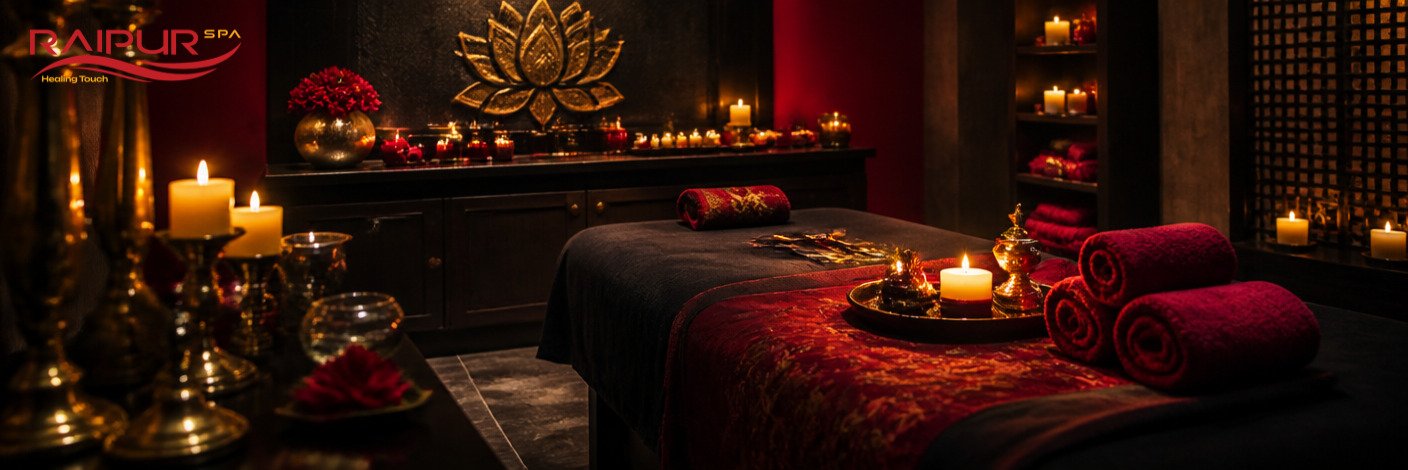
What is the best warm oil massage for joint pain and immunity during monsoon in Raipur?
Warm sesame or mahanarayan oil massages are commonly used in Raipur during monsoon for joint stiffness and immunity support. These oils are heated and applied in slow, rhythmic strokes to improve circulation and relax muscles. A 60-minute session at a premium spa like Raipur SPA may include herbal steam to enhance absorption and comfort.
Key Takeaways
- • Warm oil massages help ease monsoon-related joint stiffness and muscle tension.
- • Sesame, mahanarayan, and herbal oils are traditional choices for warmth and circulation.
- • A 60-minute full-body massage is typical for therapeutic benefits.
- • Adding herbal steam after massage may improve oil absorption and relaxation.
- • Consistent sessions during monsoon can support overall wellness and mobility.
- • Consult a spa therapist to choose oils suitable for your skin and health needs.
If you're wondering what a monsoon spa in Raipur is, it's a seasonal wellness experience that uses warm oil massages to relieve joint pain, boost immunity, and balance the body's response to damp, cold weather. At Raipur SPA, we tailor therapies to the monsoon's unique challenges, helping you stay pain-free and resilient. But this isn't just a trendy label—it's a targeted approach rooted in Ayurveda and modern physiotherapy principles, designed specifically for the rainy season's humidity, temperature swings, and the toll they take on your joints and immune system.
Key Takeaways
- Monsoon humidity and temperature drops can aggravate joint stiffness and lower immunity.
- Warm oil massages improve circulation, reduce inflammation, and support lymphatic drainage.
- Best oils for monsoon: sesame, mustard, mahanarayan, and herbal blends with warming spices.
- Therapies at Raipur SPA start from ₹999; open daily 11:00 AM to 09:00 PM.
- Regular sessions during monsoon can prevent seasonal aches and boost overall wellness.
- Book via WhatsApp/call +91 7987 303 127 for a personalized consultation.
Why Monsoon Worsens Joint Pain and Immunity
The rainy season brings relief from summer heat, but it also brings a spike in humidity and sudden temperature changes. These shifts cause blood vessels to constrict, slowing circulation to joints and muscles. For many in Raipur, this means stiff knees, achy shoulders, and flare-ups of arthritis or old injuries. You might notice that your knees creak more when you climb stairs, or your lower back feels tight after sitting for long periods. This isn't just in your head—it's your body reacting to the environment.
At the same time, your immune system works harder to adapt. Dampness can imbalance the body's doshas, especially Vata, leading to dryness, pain, and fatigue. In Ayurveda, Vata is associated with movement, dryness, and cold—exactly the qualities that dominate the monsoon. When Vata goes out of balance, you may experience cracking joints, bloating, anxiety, and disturbed sleep. Warm oil massages are a time-tested way to counteract these effects by grounding Vata and restoring internal warmth.
From a modern perspective, humidity affects barometric pressure. When the pressure drops, tissues expand slightly, putting pressure on nerves and joints. That's why many people with arthritis say they can "feel" rain coming. Additionally, less sunlight means lower vitamin D levels, which can weaken bones and immunity. A warm oil massage doesn't replace sunlight, but it helps mitigate the cascade of effects by improving circulation and reducing stress hormones.
How Humidity Affects Your Body
High humidity slows evaporation of sweat, making it harder for your body to cool itself. This can lead to lethargy and fluid retention. The excess moisture in the air can also aggravate respiratory conditions like asthma and allergies. Warm oil massages help by stimulating sweat glands gently and promoting lymphatic drainage, which removes excess fluid and toxins.
The Vata Connection in Ayurveda
Ayurveda teaches that monsoon is the season of Vata. During this time, the digestive fire (Agni) is weaker, and the body craves warmth and stability. Warm oil massage, known as Sneha, is the primary treatment for Vata imbalances. It lubricates the joints, nourishes the nervous system, and calms the mind. At Raipur SPA, we assess your dosha before recommending a specific oil and technique.
How Warm Oil Massages Help During Monsoon
Warm oil does more than feel good. It penetrates deeper into tissues, relaxing muscle fibers and improving joint mobility. The heat also dilates blood vessels, enhancing oxygen and nutrient delivery while flushing out toxins. Unlike a quick hot shower, the oil stays on your skin, creating a protective barrier that locks in moisture and warmth for hours.
Beyond pain relief, the massage stimulates the lymphatic system, which is crucial for immunity. Unlike cold oils, warm oils don't shock the body; they soothe and nourish, making them ideal for the monsoon's chill. Cold oils can cause contraction and stiffness, especially if you're already prone to aches. Warm oil, on the other hand, invites relaxation and expansion.
Improved Circulation and Detoxification
When circulation improves, swelling reduces and stiffness eases. The stroking motions of a warm oil massage help move lymph fluid, which carries immune cells. This gentle detox can leave you feeling lighter and more energetic. Think of your lymphatic system as a river—when it flows, it cleanses; when it stagnates, toxins build up. Warm oil massage acts like a pump, encouraging that flow.
Stress Reduction and Better Sleep
Monsoon blues are real. The lack of sunlight and constant rain can affect mood. A warm oil massage triggers the release of endorphins and serotonin, lowering cortisol. Many clients report deeper sleep and a brighter mood after just one session. If you struggle with seasonal affective disorder (SAD), regular massages can be a game-changer.
Pain Relief That Lasts
Unlike painkillers that mask symptoms, warm oil massage addresses the root cause: poor circulation and tension. By relaxing muscles and improving joint lubrication, it provides lasting relief. For chronic conditions like osteoarthritis, consistent sessions can reduce dependency on medication.
Best Warm Oils for Monsoon Joint Pain and Immunity
Not all oils are equal. During monsoon, you want oils that are warming, penetrating, and immune-supportive. Here are our top picks, available in therapies at Raipur SPA. We source organic, cold-pressed oils wherever possible, and we blend them with herbs to enhance their effects.
Sesame Oil
Sesame oil is the gold standard for Ayurvedic massage. It's rich in anti-inflammatory compounds and easily absorbed. Its warming nature pacifies Vata, making it perfect for stiff joints and dry skin. It also contains vitamin E and antioxidants that fight free radicals. In a study published in the Journal of Alternative and Complementary Medicine, sesame oil massage was found to reduce pain and improve sleep in patients with knee osteoarthritis.
Mustard Oil
Mustard oil is intensely warming and often used for deep-seated pain. It stimulates blood flow and can clear congestion when massaged on the chest. Use it diluted or in a blend if you have sensitive skin. In North India, mustard oil massage is a winter staple, but it's equally effective in monsoon when Vata is high. It's rich in monounsaturated fatty acids and has antibacterial properties.
Mahanarayan Oil
This herbal oil contains over 50 ingredients, including ashwagandha and dashmoola. It's specifically formulated for arthritis, muscle wasting, and nerve pain. A monsoon favorite for chronic joint issues. Mahanarayan oil is often used in Panchakarma therapies and is known to strengthen muscles and bones. It's also beneficial for lower back pain and sciatica.
Herbal Blends with Camphor, Eucalyptus, and Ginger
These additives enhance the warming effect and support respiratory health. Camphor and eucalyptus can ease coughs and colds, while ginger boosts digestion and immunity. At Raipur SPA, we can customize a blend based on your specific needs—for example, adding cinnamon for poor circulation or tulsi for respiratory support.
Ksheerabala Oil
Ksheerabala is a lesser-known but powerful oil made with milk and bala (Sida cordifolia). It's excellent for nerve pain, numbness, and tingling, which can worsen in damp weather. It's cooling yet nourishing, making it suitable for people with excess Pitta or sensitive skin.
Dhanwantharam Oil
This oil is specifically for postpartum care and musculoskeletal pain. It strengthens muscles and relieves stiffness. If you have a history of sports injuries, this oil can accelerate healing during monsoon.
Types of Warm Oil Massages Ideal for Monsoon
At our spa in Samta Colony, Raipur, we offer several therapies that incorporate warm oils. Each targets different needs, so you can choose based on your body's signals. Our therapists are trained in traditional Kerala Ayurveda and modern deep tissue techniques, so you get the best of both worlds.
Abhyanga (Ayurvedic Full-Body Massage)
Abhyanga uses synchronized strokes with warm herbal oil. It's deeply relaxing and excellent for overall immunity and joint health. Expect improved sleep and reduced anxiety after a 60-minute session. The massage follows the direction of hair follicles and lymphatic flow, using seven specific strokes. It's a complete reset for your body and mind.
Pizhichil (Oil Bath Therapy)
In Pizhichil, warm oil is poured continuously over the body while therapists massage. It's a royal treatment for severe joint pain, paralysis, and nervous disorders. The constant heat penetrates deeply, offering lasting relief. Pizhichil is often part of a Panchakarma detox and requires a minimum of 60–90 minutes. It's especially beneficial for rheumatoid arthritis and fibromyalgia.
Potli Massage (Herbal Bolus)
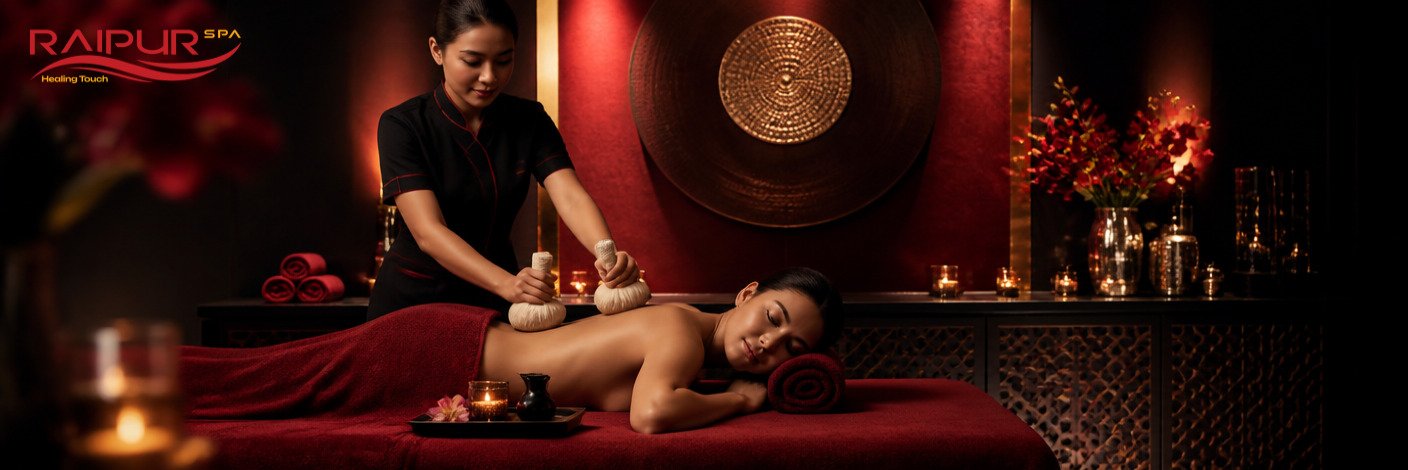
Heated herbal pouches are dipped in warm oil and pressed onto painful areas. The combination of heat and herbs reduces swelling and stiffness. Ideal for localized knee, back, or shoulder pain. The boluses are made with herbs like turmeric, ginger, and garlic, which have natural anti-inflammatory properties. The rhythmic pressure helps break down adhesions and scar tissue.
Padabhyanga (Foot Massage)
Your feet bear the brunt of monsoon walks through puddles and uneven ground. Padabhyanga focuses on the soles and ankles, using warm oil and wooden rollers. It improves circulation, relieves plantar fasciitis, and promotes deep sleep. It's a quick 30-minute session that can be added to any therapy.
Shirodhara (Oil Pouring on Forehead)
While not a massage per se, Shirodhara involves a continuous stream of warm oil on the forehead. It's incredible for stress, insomnia, and migraines, which can flare up during monsoon. It balances the nervous system and calms the mind. Many clients describe it as a "mental massage."
What to Expect at Raipur SPA
When you book a monsoon spa session with us, you start with a consultation. Our therapists assess your dosha, pain points, and health goals. Then they select the right oil and technique. We also ask about your medical history, allergies, and preferences. This ensures a safe and effective experience.
All therapies use premium, chemical-free oils. We maintain strict hygiene, and our rooms are kept warm and cozy to complement the treatment. You can relax knowing you're in expert hands. Our linens are changed after every session, and our therapists wash their hands thoroughly before and after.
Prices start from ₹999 for a 60-minute massage. We're open daily from 11:00 AM to 09:00 PM, making it easy to fit a session into your schedule. We accept cash, cards, and UPI. If you're unsure which therapy to choose, call us for a free consultation.
Preparing for Your Session
Arrive 10 minutes early to fill out a health form and relax. Avoid heavy meals at least an hour before. Wear comfortable clothing that you don't mind getting oil on. We provide disposable garments and towels. After the massage, rest for 15 minutes and drink warm water to help flush toxins.
Aftercare Tips
Don't shower immediately; let the oil absorb for at least 30 minutes. Avoid cold drinks and exposure to cold wind. If possible, take a warm bath with Epsom salts later. Stay hydrated and eat light, warm foods like soups and khichdi.
How Often Should You Get a Monsoon Spa Massage?
For general wellness and immunity, once a week is ideal. If you have chronic joint pain, twice a week for the first month can bring significant improvement. After that, you can taper to maintenance sessions. We also offer package deals for regular clients, which can save you up to 20%.
Listen to your body. If you feel sluggish or achy, a warm oil massage can reset your system. Consistency is key during the monsoon months. Many of our clients book a standing appointment every Saturday morning to stay ahead of stiffness.
Signs You Need a Massage
- Waking up with stiff joints that take more than 30 minutes to loosen.
- Feeling tired despite adequate sleep.
- Frequent colds or infections.
- Muscle cramps or spasms.
- Low mood or irritability.
Safety and Precautions
Warm oil massages are safe for most people, but inform your therapist if you have high blood pressure, diabetes, or skin conditions. Avoid massage if you have a fever or acute infection. Pregnant women should opt for specialized prenatal massage. Always consult your doctor if you're unsure.
If you have a history of blood clots, recent surgery, or fractures, you need clearance from your physician. We also avoid massaging over varicose veins, open wounds, or areas of active inflammation. Our therapists are trained to adjust pressure and technique accordingly.
When to Skip the Massage
- Fever or contagious illness.
- Severe hypertension (uncontrolled).
- Intoxication or under influence of drugs.
- Recent injury or surgery (within 48 hours).
- Skin infections like ringworm or scabies.
Practical Tips to Enhance Your Monsoon Wellness
Beyond spa treatments, you can support your joints and immunity at home. Here are some practical tips that complement warm oil massages.
Diet for Monsoon
Eat warm, cooked foods. Avoid raw salads, cold drinks, and heavy dairy. Include ginger, turmeric, garlic, and black pepper in your cooking. These spices have anti-inflammatory and immune-boosting properties. Drink herbal teas like tulsi, ginger, and cinnamon. Stay hydrated with warm water.
Daily Routine (Dinacharya)
Wake up early, scrape your tongue, and do a self-massage with warm sesame oil before your bath. Exercise moderately—yoga, walking, or stretching. Avoid overexertion. Go to bed by 10 PM to maintain circadian rhythms.
Home Remedies for Joint Pain
Apply a warm compress to painful joints for 10 minutes. Add Epsom salt to your bath. Massage your knees and elbows with warm mustard oil in circular motions. Use a heating pad on low setting. These small habits can reduce pain between spa visits.
Frequently Asked Questions
What is a monsoon spa in Raipur?
A monsoon spa in Raipur offers seasonal therapies like warm oil massages that address damp-weather issues such as joint pain and low immunity. These treatments use heated herbal oils to improve circulation and relax muscles.
Which warm oil is best for joint pain during monsoon?
Mahanarayan oil and sesame oil are excellent for joint pain. They are anti-inflammatory and deeply penetrating. Mustard oil is also effective but should be diluted for sensitive skin.
How does warm oil massage boost immunity?
Warm oil massage stimulates the lymphatic system, which carries immune cells. It also reduces stress hormones like cortisol, indirectly supporting immune function. The heat improves circulation, helping your body fight off infections.
How much does a monsoon spa massage cost in Raipur?
At Raipur SPA, therapies start from ₹999. Prices vary based on the duration and type of massage. We offer packages for regular sessions.
Is it safe to get a massage during monsoon?
Yes, it's safe and beneficial. Just ensure the spa maintains hygiene and keeps you warm. Avoid massage if you have a fever or contagious illness.
Can I book a same-day appointment?
We recommend booking in advance, but same-day slots are often available. Call or WhatsApp us at +91 7987 303 127 to check availability.
What should I wear to a spa session?
Wear comfortable, loose clothing that you don't mind getting oil on. We provide disposable undergarments and towels. You can also bring a change of clothes.
How long does a typical session last?
Most massages last 60 minutes, but we offer 30-minute express sessions and 90-minute extended therapies. Pizhichil can take up to 90 minutes.
Do you offer couples massage?
Yes, we have a dedicated couples room. You can book side-by-side massages for you and your partner. Advance booking is recommended.
Conclusion
Monsoon doesn't have to mean months of aches and low energy. With the right warm oil massage, you can sail through the season feeling flexible, strong, and healthy. Whether you're dealing with old injuries or simply want to boost immunity, our therapists at Raipur SPA are here to help.
Don't let the rain keep you down. Book your monsoon spa session today and experience the transformative power of warm oil therapy. Call or WhatsApp +91 7987 303 127 to schedule your visit.
Frequently Asked Questions
Which warm oil is best for joint pain during monsoon in Raipur?
Sesame oil and mahanarayan oil are popular for their warming properties. They are often used in Ayurvedic massages to soothe stiff joints. A therapist can recommend the right blend based on your needs.
How does warm oil massage help immunity during rainy season?
Warm oil massage may improve blood circulation and lymphatic flow, which supports the body's natural defenses. It also reduces stress, which can indirectly benefit immune function. However, it is not a substitute for medical treatment.
How long does a monsoon warm oil massage session last?
Most spa sessions last 60 to 90 minutes, including consultation and relaxation time. The massage itself typically takes 45 to 60 minutes. Some spas in Raipur offer extended packages with steam or bath.
Is warm oil massage safe for everyone?
It is generally safe for most people, but those with skin infections, fever, or certain medical conditions should avoid it. Pregnant women and individuals with chronic illnesses should consult a doctor first. Always inform your therapist about any health concerns.
What should I expect during a warm oil massage at Raipur SPA?
You will lie on a comfortable table while the therapist applies warmed oil using gentle to moderate pressure. The room is usually kept warm and quiet. After the massage, you may feel relaxed and have slightly oily skin, so plan for a shower afterward.
How often should I get a warm oil massage for joint pain?
Frequency depends on your condition and lifestyle. Some people benefit from weekly sessions during monsoon, while others prefer biweekly. Consult your therapist or doctor for a personalized schedule.
Book Your Session
Book Your SessionPeople Also Ask
Related Articles
Seasonal Wellness
Winter Skin Care in Raipur: Hydrating Spa Rituals for Dry Weather
14 min read · 19 Oct 2026
Seasonal Wellness
Monsoon Wellness in Raipur: Ayurvedic Spa Treatments for Rainy Season
13 min read · 19 Oct 2026
Seasonal Wellness
Monsoon Wellness in Raipur: Best Spa Treatments for Rainy Season
13 min read · 07 Oct 2026
Enjoyed This Article?
Stop reading about relaxation — come experience it firsthand at Raipur SPA.