Which Ayurvedic spa treatments are best for monsoon wellness in Raipur?
Abhyanga oil massage, Shirodhara, steam therapy, and warm herbal baths are commonly chosen Ayurvedic treatments during the monsoon in Raipur. These therapies use warm oils and herbal preparations suited to the humid, rainy season. Many Raipur spas also offer foot reflexology and detox wraps. Sessions typically last 60–90 minutes, and guests are advised to consult the spa therapist about suitable options.
Key Takeaways
- • Warm oil massages like Abhyanga are popular during the humid monsoon months.
- • Shirodhara is often chosen for relaxation during the rainy season.
- • Steam and herbal bath therapies complement monsoon wellness routines.
- • Foot reflexology suits indoor spa visits when outdoor plans are disrupted.
- • Therapists recommend treatments based on individual needs and preferences.
- • Booking ahead is advisable as spa visits increase during rainy weather.
Monsoon Wellness in Raipur: Ayurvedic Spa Treatments for Rainy Season
Monsoon wellness in Raipur means tuning your body to the rainy season with Ayurvedic spa treatments that calm Vata, soothe aching joints, and protect skin from dampness and infection. Think warm herbal oil massages, steam therapy, and gentle detox rituals that balance the cool, humid weather of Chhattisgarh. The rains bring relief from summer heat, but they also bring stiff knees, sluggish digestion, frizzy hair, and that heavy, foggy feeling that settles in by late afternoon. Rather than waiting for the season to pass, the smarter approach is to adapt — and Ayurveda has spent centuries refining exactly how to do that.
Key Takeaways
- Monsoon is Vata season in Ayurveda — cool, damp weather aggravates joint pain, dryness, and restlessness.
- Warm herbal oil massages (Abhyanga) and steam therapy are the season's best defenses against stiffness and colds.
- Choose warming oils like sesame, bala, and mahanarayan over cooling ones during the rains.
- Damp weather invites skin and scalp infections — regular exfoliation and herbal ubtans help protect you.
- Raipur SPA in Samta Colony offers monsoon-friendly therapies starting from ₹999, open daily 11:00 AM to 09:00 PM.
- Book a session early in the day or after work to avoid the evening rush and rain delays.
- Support spa treatments with warm food, dry feet, and a steady sleep schedule for the best results.
Why Monsoon Changes What Your Body Needs
Ayurveda divides the year into seasons called ritus, and the monsoon — Varsha ritu — is the time when Vata dosha rises. Vata is air and space: dry, light, moving, cold. When the rains arrive, humidity rises, temperatures dip, and your body's internal balance shifts.
You may notice it without realizing why. Knees ache more. Sleep feels lighter. Skin turns either oily and itchy or strangely dry. Old injuries grumble. That's Vata at work. The same weather that feels romantic from a balcony can leave your body feeling creaky and unsettled indoors.
The monsoon also weakens digestion. Ayurveda calls this agni — your digestive fire. When agni is low, the body holds onto toxins (ama), which shows up as sluggishness, bloating, and dull skin. A good monsoon routine doesn't fight the season; it works with it using warmth, oil, and gentle movement.
Raipur's weather adds its own twist. The city gets humid and sticky, and air-conditioned offices create a dry-cold contrast that confuses the body further. You step out of a chilled cabin into warm rain, then back into a cold car — and your joints, sinuses, and skin have to keep readjusting. That constant flip-flop is exactly why a seasonal spa routine makes sense here.
There's also a practical side. During the rains, people move less. Walks get skipped, gyms get avoided, and most of the day is spent sitting. Less movement means stiffer joints and slower circulation, which compounds the Vata effect. A massage or steam session isn't just a treat in this season — it's a way of restoring the movement and warmth your body is missing.
The Best Ayurvedic Spa Treatments for the Rainy Season
1. Abhyanga — Warm Herbal Oil Massage
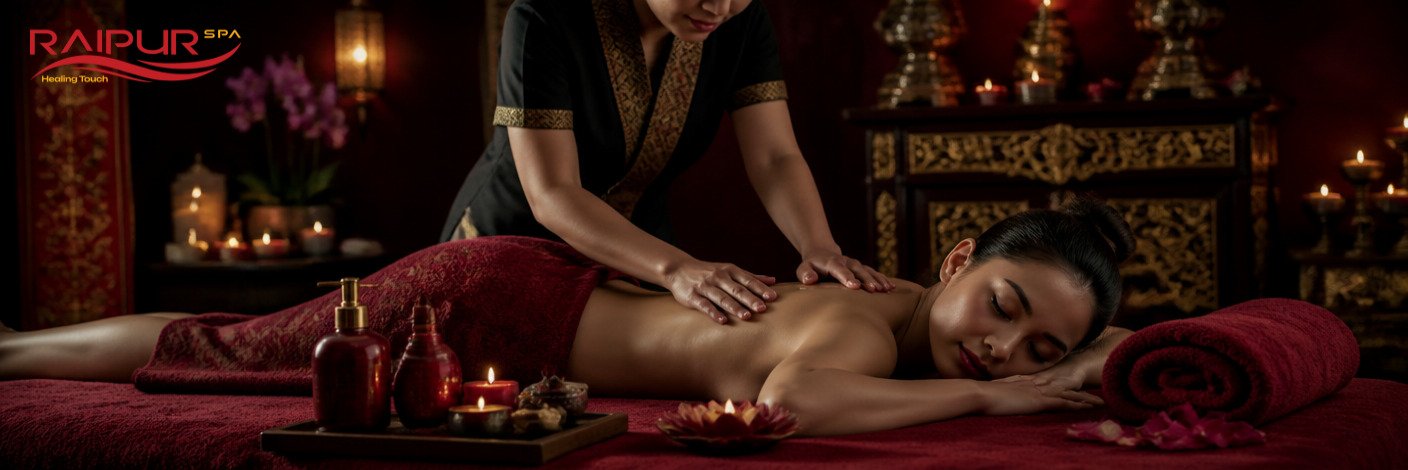
Abhyanga is the foundation of monsoon Ayurveda. Warm sesame or bala oil is worked into the body with long, rhythmic strokes, targeting joints, muscles, and the nervous system. The strokes are deliberately slow and steady — not the brisk, deep-tissue style many people expect — because the goal is to calm the nervous system as much as to loosen muscles.
Why it fits the season: oil counters Vata's dryness, warmth counters the cold, and the slow rhythm calms a restless mind. If your knees or lower back ache when it rains, this is the treatment to start with. Many regulars describe the effect as being "oiled from the inside out" — the warmth lingers for hours after the session.
A 60-minute Abhyanga at Raipur SPA is a good entry point. Ask for extra attention on the joints if stiffness is your main complaint. A useful tip: don't shower immediately after. Give the oil 30 to 45 minutes to absorb, then bathe with a mild herbal soap. That window is when much of the benefit settles in.
2. Swedana — Herbal Steam Therapy
Swedana follows oil massage in classical Ayurveda. Herbal steam opens the pores, loosens congestion, and helps the oil penetrate deeper. It's especially useful in the monsoon when colds, sinus heaviness, and body stiffness are common.
If you sit in air conditioning all day, twenty minutes of herbal steam can feel like a reset. It's also a gentle way to support circulation without intense heat. The herbs used — typically eucalyptus, tulsi, and ajwain — are chosen for their ability to clear the respiratory tract and ease that heavy-chest feeling the rains bring.
One caution worth knowing: steam is best done after a massage, not on its own for long stretches. Ten to twenty minutes is plenty. Drink warm water afterward and avoid stepping straight into cold rain or a blast of AC.
3. Kizhi — Herbal Potli Massage
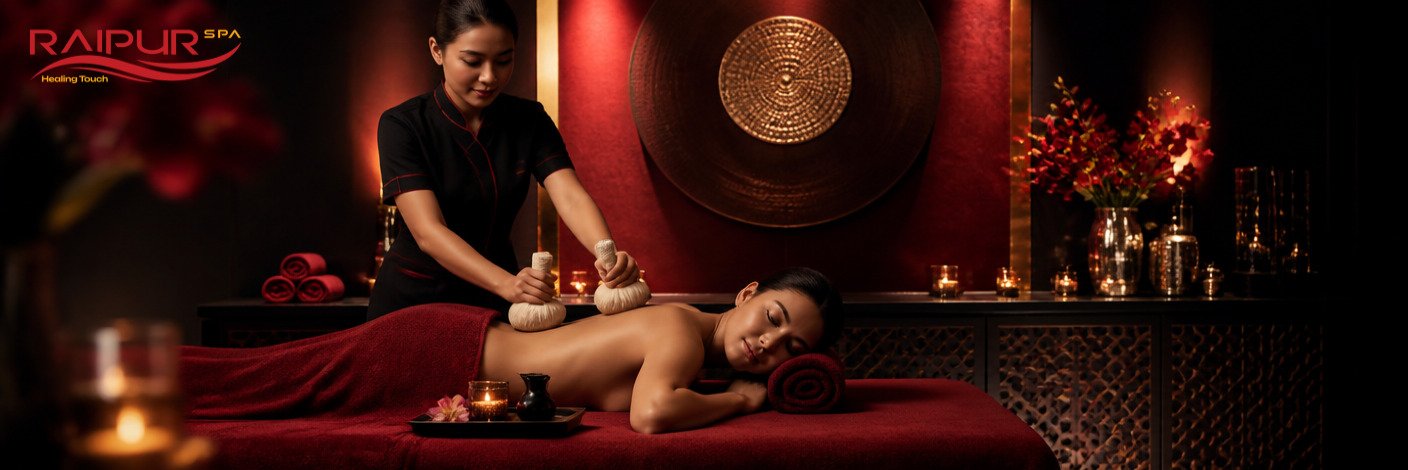
Kizhi uses warm cloth pouches filled with medicinal herbs and rice, pressed and rolled over the body. The dry heat of the potli draws out stiffness and dampness. The rhythmic pressing motion is almost meditative, and the heat penetrates deeper than a standard massage oil alone.
This is a strong choice for anyone with chronic joint pain, sports injuries, or heaviness in the limbs during the rains. The warmth is deeper than a standard massage and lasts longer. If you've ever felt that your knees "know" it's going to rain before you do, kizhi is the treatment that speaks directly to that sensation.
4. Ubtan Body Scrub — Skin Protection
Monsoon skin struggles. Humidity traps sweat, fungal infections rise, and dead skin builds up faster. An herbal ubtan scrub — usually chickpea flour, turmeric, neem, and sandalwood — gently exfoliates and clears the skin.
Do this once every two weeks. It's not just cosmetic; it genuinely reduces the risk of monsoon rashes and body acne. The turmeric and neem have mild antibacterial properties, while the chickpea flour lifts dead cells without the harshness of chemical scrubs. After a scrub, apply a light warm oil rather than a heavy lotion — heavy moisturisers trap sweat in this weather and make things worse.
5. Shirodhara — For the Monsoon Mind
Warm oil poured in a steady stream over the forehead is one of Ayurveda's most calming therapies. In a season when sleep gets disturbed and anxiety rises, Shirodhara helps settle the nervous system. The sensation is unusual at first — a continuous, warm, rhythmic flow — but most people drift into a deeply relaxed state within minutes.
If the rains make you feel low, restless, or foggy, a Shirodhara session is worth trying before reaching for anything stronger. It pairs well with a short head and shoulder massage, and the effects on sleep quality often show up the same night.
6. Padabhyanga — Foot and Leg Massage
Feet take a beating in the monsoon. Wet shoes, puddles, and long hours standing or sitting leave the legs heavy and the feet cold. A focused foot massage with warm oil improves circulation, eases swelling, and — according to Ayurveda — helps ground Vata, which tends to rise upward and leave the mind restless.
If you're short on time, a 30-minute foot and leg session is the most efficient way to get a monsoon benefit. It's also a good option for older family members dealing with cold feet and stiffness.
Ayurvedic Oils That Suit the Monsoon
Not all oils are equal in the rains. Cooling oils like coconut are better for peak summer. For monsoon, choose warming, grounding oils:
- Sesame oil — the classic Vata-pacifying base, deeply warming.
- Bala oil — traditionally used for muscle and nerve strength.
- Mahanarayan oil — excellent for joint pain and stiffness.
- Karpooradi oil — warming and useful for congestion and body aches.
A trained therapist will match the oil to your body type and current complaints, so mention any specific aches or skin issues before your session begins. Someone with a lot of heat or acidity, for example, may need a milder blend even in monsoon, while a person with cold, dry skin may benefit from a richer mahanarayan base.
At home, a small bottle of warm sesame oil is enough for daily self-massage. Warm it slightly by placing the bottle in hot water for a few minutes — never microwave it, as the oil can overheat unevenly. A few drops on the soles of the feet before bed is one of the simplest monsoon habits you can adopt.
Simple Monsoon Wellness Habits Beyond the Spa
Spa treatments work best when supported by small daily habits. None of these require much effort, and together they make the difference between a season you endure and one you enjoy.
Food and Drink
- Drink warm water through the day instead of cold or chilled drinks. Warm water supports digestion and helps clear congestion.
- Favour light, warm meals — khichdi, soups, cooked vegetables, ginger tea. These are easy on a low agni.
- Avoid heavy fried food and raw salads during the rains; digestion is weaker now and raw food can carry more contaminants in this season.
- Add ginger, black pepper, and a little turmeric to your cooking — all warming and helpful for immunity.
- Go easy on dairy and cold sweets, which increase mucus and heaviness when it's damp outside.
Daily Routine
- Apply a few drops of warm sesame oil to your feet and scalp before bathing.
- Keep feet dry and clean — monsoon fungal infections usually start there. Dry between the toes, not just the top of the foot.
- Do gentle stretching or yoga in the morning to keep joints mobile. Even ten minutes of simple movement helps.
- Sleep on a regular schedule; Vata imbalances worsen with erratic rest.
- Change out of wet clothes promptly and avoid sitting in damp footwear.
- Air out your home when the rain pauses — damp indoor air contributes to the sluggish feeling.
Monsoon Skincare and Haircare: A Practical Checklist
Skin and hair complaints spike in the rainy season, and most can be prevented with a few straightforward steps. The core principle is the same as elsewhere in monsoon Ayurveda: keep things warm, dry, and clean without stripping the skin.
- Cleanse gently but regularly. Humidity traps sweat and oil, so a mild herbal cleanser once or twice a day is better than harsh soap that leaves skin tight and reactive.
- Exfoliate every two weeks. A ubtan scrub prevents the buildup that leads to body acne and rashes.
- Treat rashes early. A small itchy patch becomes a larger problem quickly in this weather. Neem-based applications and a spa consultation can help before it spreads.
- Wash hair after getting caught in the rain. Rainwater and city pollution sitting on the scalp invite itchiness and dandruff. A warm oil head massage before washing keeps the scalp balanced.
- Avoid heavy creams and thick foundations. Light, breathable products suit the season better.
If you have a recurring skin issue that flares every monsoon, it's worth mentioning to your therapist and, if needed, consulting an Ayurvedic practitioner. Seasonal patterns often respond well to seasonal routines.
How Often Should You Visit During the Monsoon?
A practical rhythm: one full-body oil massage every two to three weeks, a steam or kizhi session when stiffness flares, and a scrub once a fortnight. Shirodhara can be done as a short course of three to five sessions if stress or sleep is the main issue.
If you have a chronic condition like arthritis or a recurring skin issue, weekly sessions for a month often give better results than a single visit. Consistency matters more than intensity — a modest massage every couple of weeks beats one intense session followed by nothing for months.
For most people in Raipur, a realistic monsoon plan looks like this: one Abhyanga at the start of the season, a kizhi or steam session when the first stiffness appears, a scrub mid-season, and a Shirodhara if sleep or mood starts slipping. That's four to six visits spread across the rains, and it's usually enough to feel the difference.
What to Expect During Your First Monsoon Session
If you've never had an Ayurvedic treatment, the first visit can feel unfamiliar. Here's what a typical session looks like so you can arrive relaxed.
You'll usually begin with a short consultation — your therapist will ask about your main complaints, sleep, digestion, and any injuries. This is the moment to mention sore knees, sensitive skin, or a recent cold. From there, the therapist selects the oil and treatment plan.
The treatment itself happens in a warm, dry room. Oils are warmed before use, and the pressure is adjusted to your comfort. Most people find the slow rhythm deeply relaxing, and many fall asleep. After the session, you'll be given time to rest before bathing, and often a warm herbal drink.
A few practical tips: wear comfortable clothing you don't mind getting slightly oily, avoid a heavy meal right before the session, and plan a little buffer time afterward rather than rushing back into traffic. The benefits are best when you leave unhurried.
Why Choose Raipur SPA for Monsoon Treatments
Raipur SPA in Samta Colony, Raipur keeps its monsoon menu rooted in classical Ayurveda rather than quick fixes. Therapists are trained in oil selection, pressure technique, and steam protocols, and the space is kept warm and dry — a small detail that matters when it's pouring outside.
Therapies start from ₹999, and the spa is open daily from 11:00 AM to 09:00 PM, so you can slot a session before work or after. For rainy-day stiffness or a low mood that won't lift, a single well-chosen treatment often does more than you'd expect.
Location matters too. Samta Colony is easy to reach from most parts of Raipur, and booking ahead means you're not standing in the rain waiting for a slot. If you're combining errands with a session, a mid-morning appointment usually means lighter traffic and a calmer spa.
Frequently Asked Questions
What is monsoon wellness in Ayurveda?
It's a seasonal approach that balances Vata dosha during the rainy months using warm oils, herbal steam, light food, and gentle routines. The goal is to protect joints, skin, digestion, and mood from cold, damp weather.
Which spa treatment is best for monsoon joint pain?
Abhyanga with mahanarayan or bala oil, followed by herbal steam, is usually the most effective. Kizhi potli massage is a strong alternative for chronic stiffness and old injuries.
How much do Ayurvedic spa treatments cost in Raipur?
At Raipur SPA, therapies start from ₹999. Final pricing depends on the treatment type and duration, so it's best to confirm when you book.
Is it safe to get a massage during the rainy season?
Yes, and it's often beneficial. Warm oil massage helps counter the cold and dampness. Just avoid sessions if you have fever, an active skin infection, or are unwell — mention any condition to your therapist first.
How do I protect my skin during Raipur's monsoon?
Keep skin dry, exfoliate with an herbal ubtan every two weeks, and use warm oil before bathing. Avoid heavy moisturisers that trap sweat, and treat any rash early.
Can I get a massage during my period?
Many therapists prefer to avoid deep abdominal massage during menstruation. A lighter session, a foot massage, or a head massage is usually fine. Tell your therapist so the treatment can be adjusted.
What should I eat after an Ayurvedic massage?
Something warm and light — khichdi, soup, or a simple cooked meal. Avoid cold drinks, fried food, and heavy desserts for the rest of the day so the body can absorb the treatment's benefits.
Do I need to book in advance?
Weekends and evenings fill up quickly during the monsoon, so booking a day ahead is wise. You can call or message +91 7987 303 127 to confirm a slot.
Final Word
The monsoon doesn't have to mean aching joints and dull skin. A few warm oil massages, a steam session here and there, and small daily habits can carry you through the season feeling steady and comfortable.
If you're in Raipur and want to start, message Raipur SPA on WhatsApp or call +91 7987 303 127. A single session is often enough to feel the difference.
Frequently Asked Questions
Is it good to take a spa treatment during the monsoon?
Yes, many people enjoy spa treatments during the monsoon for relaxation and comfort. Warm oil massages and steam therapies are commonly preferred in humid weather. Guests should inform the therapist of any health concerns before booking.
Which massage oil is used in Ayurvedic monsoon treatments?
Sesame, coconut, and herbal-infused oils are commonly used in Ayurvedic massage. The therapist selects the oil based on the treatment and the guest's preference. Warm oils are often favored during the rainy season.
What is Shirodhara and is it suitable for the rainy season?
Shirodhara is an Ayurvedic therapy where a stream of warm oil is poured over the forehead. It is often chosen for relaxation and is available at many Raipur spas. Guests should confirm suitability with the therapist beforehand.
How long does a typical Ayurvedic spa session in Raipur last?
Most Ayurvedic spa sessions in Raipur last between 60 and 90 minutes. Duration depends on the treatment selected, such as Abhyanga or Shirodhara. Spas usually advise arriving early for a consultation.
Do I need to book in advance for monsoon spa treatments in Raipur?
Advance booking is recommended during the monsoon, as demand for indoor wellness activities rises. Weekend and evening slots fill up faster. Calling the spa a day or two ahead helps secure preferred timings.
What should I wear or bring for an Ayurvedic spa visit?
Spas typically provide disposable garments and towels for treatments. Guests are usually advised to bring minimal belongings and arrive with clean skin. It is best to confirm specific requirements with the spa when booking.
Book Your Session
Book Your SessionPeople Also Ask
Related Articles
Seasonal Wellness
Winter Skin Care in Raipur: Hydrating Spa Rituals for Dry Weather
14 min read · 19 Oct 2026
Seasonal Wellness
Monsoon Spa in Raipur: Best Warm Oil Massages for Joint Pain and Immunity
13 min read · 15 Oct 2026
Seasonal Wellness
Monsoon Wellness in Raipur: Best Spa Treatments for Rainy Season
13 min read · 07 Oct 2026
Enjoyed This Article?
Stop reading about relaxation — come experience it firsthand at Raipur SPA.