Which spa treatments are best for monsoon wellness in Raipur?
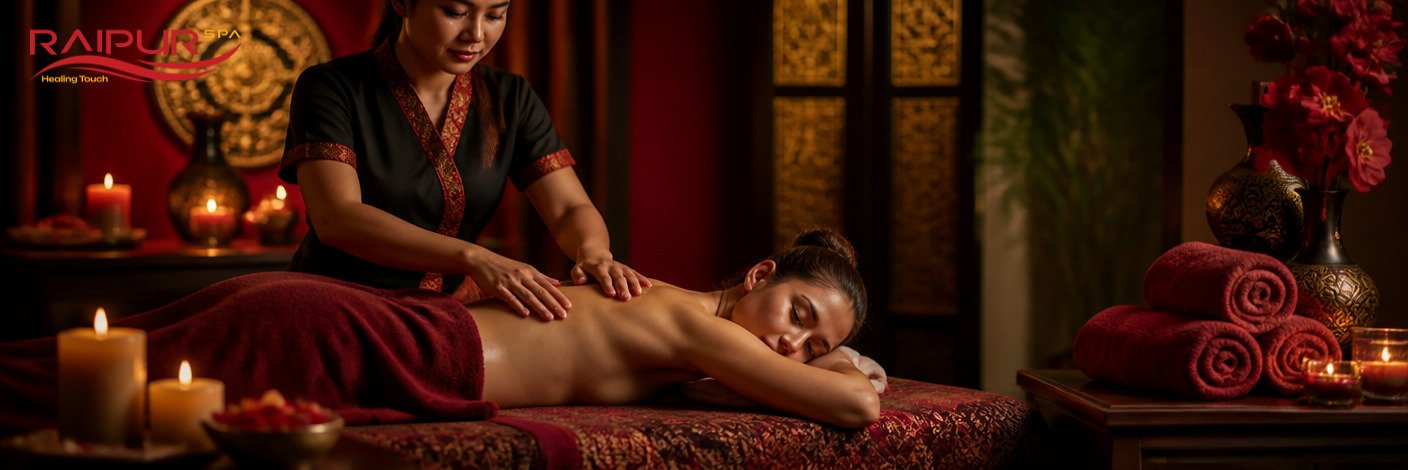
For monsoon wellness in Raipur, warm oil massages, steam therapy, herbal body scrubs, and foot reflexology are commonly chosen. These treatments help relax muscles, ease humidity-related stiffness, and support circulation during damp weather. Many Raipur spas also offer mud wraps and warm aromatherapy sessions suited to the season. Choose lighter, warm-based treatments rather than intense cooling therapies.
Key Takeaways
- • Warm oil massages suit the humid monsoon season by relaxing tight muscles.
- • Steam and sauna sessions help ease damp-weather stiffness and promote relaxation.
- • Herbal body scrubs remove dullness caused by humidity and sweat.
- • Foot reflexology is a light, grounding treatment ideal for rainy days.
- • Mud wraps and warm aromatherapy are popular seasonal spa choices in Raipur.
- • Booking ahead helps secure slots during the busier monsoon season.
Monsoon wellness in Raipur means working with the season instead of against it. The rains cool the city, but the damp air leaves skin sticky, joints stiff and energy low. The right spa treatments — warm oil massages, detoxifying body wraps, steam therapy and hydrating facials — help you reset, relieve monsoon-related aches and keep skin and mind balanced. This guide covers what works best, how to plan your visit, and where to find it in Raipur.
Key Takeaways
- Monsoon humidity makes skin oily and hair frizzy, while dampness can trigger joint stiffness and fatigue — targeted spa therapies address both.
- Warm oil massages (Abhyanga) and steam therapy are the best monsoon picks for circulation, stiffness and deep relaxation.
- Detoxifying body wraps and hydrating facials help manage monsoon breakouts and dullness without over-drying the skin.
- Foot reflexology is ideal after walks through wet streets and long hours on your feet.
- Raipur SPA in Samta Colony offers monsoon-friendly therapies starting from ₹999, open daily 11:00 AM to 09:00 PM.
- Book a slot in advance during the rainy season — weekends fill up fast, especially on overcast days.
- Morning slots (right after 11:00 AM opening) are the calmest; evenings after 6:00 PM suit working professionals but need advance booking.
- Stay warm before and after your session, drink warm water, and skip cold showers or heavy meals for 30–45 minutes.
Why Your Body Needs a Different Kind of Care During the Rains
Raipur's monsoon is a welcome relief after the long, hot summer. But the shift in weather brings its own set of complaints. The air holds more moisture, so sweat doesn't evaporate as quickly. Skin feels greasy by noon, hair turns frizzy, and that heavy, low-energy feeling settles in by late afternoon.
There's a reason traditional wellness systems treat the rainy season as a time for extra care. In Ayurveda, monsoon is vata season — a period when the body is more prone to stiffness, bloating and restlessness. Cold, damp conditions tighten muscles and slow circulation. Add long hours at a desk or in traffic, and you get the classic monsoon slump: tired legs, a stiff neck and a mind that won't switch off.
A good spa session works on all three fronts — body, skin and mood. It warms you up, loosens what's tight and gives your nervous system a genuine pause.
What Actually Happens to Your Body in High Humidity
When the air is saturated with moisture, your body's natural cooling system struggles. Sweat sits on the skin instead of evaporating, which is why you feel clammy even when you're not actively hot. This lingering dampness has a few knock-on effects:
- Slower circulation: Blood vessels respond to temperature changes, and the constant shift between warm, humid outdoors and cold, air-conditioned indoors can leave you feeling chilled and sluggish.
- Muscle tightness: Cold, damp air makes muscles contract. If you already sit at a desk all day, the combination shows up as a stiff neck, tight shoulders and lower-back discomfort.
- Skin congestion: Extra oil production, combined with sweat and dead cells that don't shed as easily, leads to dullness, body acne and clogged pores.
- Digestive sluggishness: Many people notice bloating and a heavier feeling during the rains. Warm therapies and gentle massage help stimulate digestion and circulation.
- Mood dips: Grey skies and reduced sunlight can lower energy and motivation. Touch-based therapies like massage have a measurable calming effect on the nervous system.
None of these are serious problems on their own, but together they make the rainy season feel draining. A regular spa routine — even once every two to three weeks — keeps them in check.
Why Raipur's Climate Makes It Worse
Raipur sits in the heart of Chhattisgarh, where monsoon humidity can stay high for weeks at a stretch. The city's mix of dusty summers and sudden rain means the first showers often bring a spike in allergies, sinus trouble and skin irritation. Locals know the pattern well: a few days of heavy rain, then a muggy lull, then more rain. That on-off rhythm is exactly what makes muscles stiff and skin unpredictable. Adapting your self-care to the local weather — rather than following generic advice — makes a real difference.
Monsoon Spa Treatments That Actually Make a Difference
1. Warm Oil Massage (Abhyanga) for Stiffness and Circulation
If you book only one treatment this season, make it a warm oil massage. Sesame or herbal oils are heated slightly and worked into the muscles with long, steady strokes. The warmth counteracts the damp chill, improves blood flow and eases the stiffness that creeps into shoulders and lower backs during rainy weeks.
It's especially useful if you sit for long hours, travel daily, or feel generally sluggish. A 60-minute session leaves you loose-limbed and surprisingly clear-headed. At Raipur SPA, the Abhyanga is one of the most requested therapies once the rains set in.
A few practical notes: tell your therapist if you prefer firmer or lighter pressure, and mention any areas that feel particularly tight — the lower back and neck are common monsoon trouble spots. If you have sensitive skin, ask which oil they plan to use; sesame and coconut are usually well tolerated, while some herbal blends may be too warming for very reactive skin. Drink warm water afterwards and try to rest for 20–30 minutes before heading back out into the rain.
2. Steam Therapy and Herbal Sauna for Detox and Congestion
Steam does two things well in monsoon: it opens up the respiratory passages, and it helps the body release what it's holding onto. If you're prone to seasonal colds, blocked sinuses or that heavy chest feeling, a steam session with eucalyptus or tulsi can be genuinely soothing.
Pair it with a massage for the full effect — steam first to soften the muscles, then massage, then a short rest. Avoid steam if you have very low blood pressure or are pregnant without checking with your therapist first.
Keep sessions short — 8 to 12 minutes is plenty for most people. Longer isn't better; you can end up feeling light-headed. Step out, sit in a warm room, and sip water. If you have asthma or any respiratory condition, mention it before your session so the therapist can adjust the intensity and duration.
3. Detox Body Wraps for Dull, Congested Skin
Humidity traps oil and dead cells on the skin's surface. That's why so many people notice dullness and body acne during the monsoon. A clay or herbal body wrap draws out impurities, tightens the skin and leaves it feeling noticeably fresher.
Look for wraps with neem, multani mitti or green clay — ingredients that suit Indian skin and the local climate. One session every two to three weeks is usually enough to keep skin clear through the season.
Body wraps are also a good pick if you've been spending weekends outdoors or travelling. They reset the skin after exposure to rain, dust and sweat. Avoid scheduling a wrap right before an important event if you've never had one — some people's skin needs a day to settle, and it's better to know how your skin reacts first.
4. Hydrating Facials for Monsoon Skin
Here's the monsoon skin paradox: your face feels oily, so you skip moisturiser, and then it turns dehydrated and flaky. A hydrating facial corrects that. Gentle cleansing, exfoliation and a hyaluronic or aloe-based mask restore balance without adding grease.
If you're acne-prone, ask for a clarifying facial with neem or tea tree instead. Either way, avoid harsh scrubs during the rains — wet skin is more sensitive and over-exfoliating makes things worse.
Timing your facial well matters too. Book it for a day when you don't have to rush back into traffic or stand in the rain. Give your skin a few hours to settle, and use a light, non-comedogenic moisturiser at home afterwards. If you notice persistent breakouts rather than the usual monsoon dullness, it's worth asking for a consultation before choosing a treatment — a good therapist will tell you honestly whether a facial is the right call or whether you should see a dermatologist.
5. Foot Reflexology After Wet Commutes
Walking through puddles, standing in queues and squeezing into crowded autos all take a toll on your feet. Reflexology works pressure points on the soles that correspond to different body systems, and it's remarkably effective for tired legs and overall stress.
It's also the easiest treatment to fit into a busy day — 30 minutes is enough to feel the difference. If you've been on your feet for long shifts or have been walking more than usual because of waterlogged roads, reflexology is the most practical pick. It's gentle, requires no oil, and you can go straight back to work afterwards.
6. Head and Scalp Massage for Monsoon Hair Fall
Many people notice more hair fall during the rainy season, partly due to humidity and partly due to seasonal shedding. A warm herbal head massage with coconut or bhringraj oil improves scalp circulation, reduces dandruff and gives you the kind of deep relaxation that's hard to find elsewhere.
It's a particularly good option if you're short on time. A 20–30 minute head massage fits into a lunch break or an evening slot, and the effects on sleep quality are noticeable for many people. If you have dandruff or an itchy scalp, mention it — the therapist can use a blend suited to scalp health rather than a purely relaxing oil.
7. Gentle Body Scrubs for Rough, Patchy Skin
Between humidity and air-conditioning, skin can end up both oily and rough in patches. A gentle full-body scrub with natural exfoliants — coffee, sugar or rice powder — removes dead cells, smooths texture and helps your moisturiser absorb better.
Keep it gentle. Harsh scrubs during the monsoon can irritate already-sensitive skin. One scrub every three to four weeks is plenty, and it pairs well with a hydrating wrap or a warm oil massage.
How to Plan Your Monsoon Spa Visit
Timing matters. Overcast afternoons are the busiest, so if you want a quieter experience, book a morning slot right after opening at 11:00 AM. Evenings after 6:00 PM suit working professionals, but call ahead.
Wear loose, comfortable clothing and carry a light jacket for the ride home. Skip a heavy meal for at least an hour before your session. If you have any skin condition, allergy or injury, mention it during consultation — good therapists adjust pressure and products accordingly.
And do drink water afterwards. Warm water, ideally. It helps the body flush out what the massage and steam have released.
A Simple Pre-Visit Checklist
- Book in advance: Weekends and overcast days fill up fastest, so reserve a slot by phone or WhatsApp rather than walking in.
- Arrive 10 minutes early: A rushed start works against the whole point of a relaxation session.
- Eat light beforehand: A heavy meal within an hour of your massage can leave you uncomfortable.
- Carry a change of clothes: Oil-based treatments leave residue, and dry clothes make the trip home more comfortable.
- Mention health conditions: Blood pressure issues, pregnancy, recent injuries, allergies and skin conditions all affect which treatments are safe.
- Keep the ride home warm: A light jacket or scarf helps your body retain the warmth from the session.
What to Do After Your Session
Give yourself 30 to 45 minutes of rest. Avoid cold showers, very cold air-conditioning and heavy meals right away. Warm water — to drink and, later, to bathe — helps your body adjust. If you had an oil massage, wait a couple of hours before washing off the oil so the skin absorbs the benefits. And if you feel sleepy afterwards, that's normal; it's a sign your nervous system has actually slowed down, which is exactly what monsoon self-care is meant to do.
Monsoon Spa Etiquette and Safety: What Regulars Know
A spa visit during the rains is a little different from one in peak summer. A few small habits make it smoother:
- Dry off before entering: If you've been caught in the rain, ask for a towel at reception. Walking into a treatment room damp undoes the warming effect of the therapy.
- Be honest about your tolerance: Steam, in particular, affects people differently. Speak up if you feel light-headed.
- Skip treatments if you're unwell: If you have a fever, an active infection or a fresh cold, reschedule. Massage and steam aren't ideal when your body is already fighting something.
- Ask about products: If you have sensitive skin, ask what's in the oils, wraps and masks. Good spas are happy to explain.
- Respect the quiet: Phones on silent, low voices — the calm is part of the service.
Why Raipur SPA Fits the Season
Located in Samta Colony, Raipur SPA keeps its monsoon menu focused on what actually helps — warm therapies, gentle skin care and unhurried sessions. Therapies start from ₹999, and the spa is open daily from 11:00 AM to 09:00 PM, which makes it easy to slot in a visit before or after work.
The team uses herbal oils and locally suited products, and consultations are part of every booking, so you're not guessing which treatment suits you. If you've never had a monsoon massage before, this is a comfortable place to start.
What makes a real difference during the rainy season is consistency. One session feels good; a routine — say, a massage every three weeks and a facial or wrap in between — keeps skin, muscles and mood steadier through the whole season. Raipur SPA's location in Samta Colony makes it convenient for people across central Raipur, and the daily hours mean you don't have to squeeze a visit into a single weekend window.
Frequently Asked Questions
What is the best spa treatment for monsoon in Raipur?
A warm oil massage (Abhyanga) is usually the best all-round choice. It relieves damp-weather stiffness, improves circulation and relaxes the mind. Pair it with steam therapy if you also want respiratory relief.
Is it safe to get a massage during the rainy season?
Yes, it's safe and often beneficial. Just keep warm before and after, avoid getting wet on the way home, and inform your therapist about any health conditions. Avoid steam if you have very low blood pressure.
How much do monsoon spa treatments cost in Raipur?
Therapies at Raipur SPA start from ₹999. Final pricing depends on treatment type and duration. It's best to call or message on WhatsApp for the current menu and offers.
How often should I get a spa treatment during monsoon?
Once every two to three weeks works well for most people. If you have skin concerns or chronic stiffness, a fortnightly session gives better results. More frequent visits aren't necessary for general wellness.
Do spa treatments help with monsoon hair fall?
Scalp massages with herbal oils can help by improving circulation and reducing dandruff. They won't stop seasonal shedding entirely, but they support scalp health and are deeply relaxing.
What should I avoid after a monsoon spa session?
Avoid cold showers, air-conditioned rooms set very low, and heavy meals immediately after. Give yourself 30 to 45 minutes to rest, stay warm and drink warm water to help your body adjust.
Can I get a spa treatment if I have sensitive or acne-prone skin?
Yes, but choose treatments carefully. Ask for gentle, non-comedogenic products, skip harsh scrubs, and mention your skin type during consultation. A clarifying facial or a mild hydrating treatment is usually safer than an intense detox wrap.
What should I wear to a spa during the monsoon?
Loose, comfortable clothing is best, with a light jacket or scarf for the ride home. Carry a change of clothes if you're booking an oil-based treatment, since oil residue can leave fabric damp and uncomfortable in humid weather.
A Final Word
The monsoon is a season to slow down, not push through. A few well-chosen spa sessions can keep your body comfortable, your skin balanced and your mood steady until the skies clear.
Ready to book? Call or WhatsApp Raipur SPA at +91 7987 303 127 to reserve your slot. Therapies start from ₹999, open daily 11:00 AM to 09:00 PM.
Frequently Asked Questions
Is it good to get a massage during the monsoon?
Yes, warm oil massages are often preferred in the monsoon because they relax muscles and counter humidity-related stiffness. Choose warm-based treatments and avoid getting chilled after the session. Consult a professional if you have specific health concerns.
Which spa treatment is best for humid weather?
Herbal body scrubs and warm oil massages are well suited to humid weather. They help refresh the skin and relax tight muscles. Steam therapy is also a common monsoon choice for unwinding.
How often should I visit a spa during monsoon?
Many people visit once or twice a month during the monsoon for relaxation and skin care. Frequency depends on personal preference and lifestyle. Spas in Raipur usually recommend spacing sessions to suit your routine.
Are spa treatments safe during the rainy season?
Reputable spas maintain hygiene and warm treatment rooms, which matters during the damp season. Inform your therapist about any allergies or skin sensitivities before the session. Choose certified spas with clean facilities.
What should I wear or bring to a monsoon spa visit?
Wear comfortable clothing and carry a light layer for after the session, since it may be rainy outside. Most spas provide robes, towels, and shower facilities. Avoid rushing out into the rain immediately after a warm treatment.
Do Raipur spas offer monsoon-specific packages?
Many Raipur spas offer seasonal packages that combine warm massage, body scrub, and steam. Availability varies by spa, so it is best to check current offerings. Booking in advance helps secure preferred time slots.
Book Your Session
Book Your SessionPeople Also Ask
Related Articles
Seasonal Wellness
Monsoon Skin Care Tips in Raipur: Spa Treatments for Humid Weather Glow
7 min read · 22 Oct 2026
Seasonal Wellness
Winter Skin Care in Raipur: Hydrating Spa Rituals for Dry Weather
14 min read · 19 Oct 2026
Seasonal Wellness
Monsoon Wellness in Raipur: Ayurvedic Spa Treatments for Rainy Season
13 min read · 19 Oct 2026
Enjoyed This Article?
Stop reading about relaxation — come experience it firsthand at Raipur SPA.