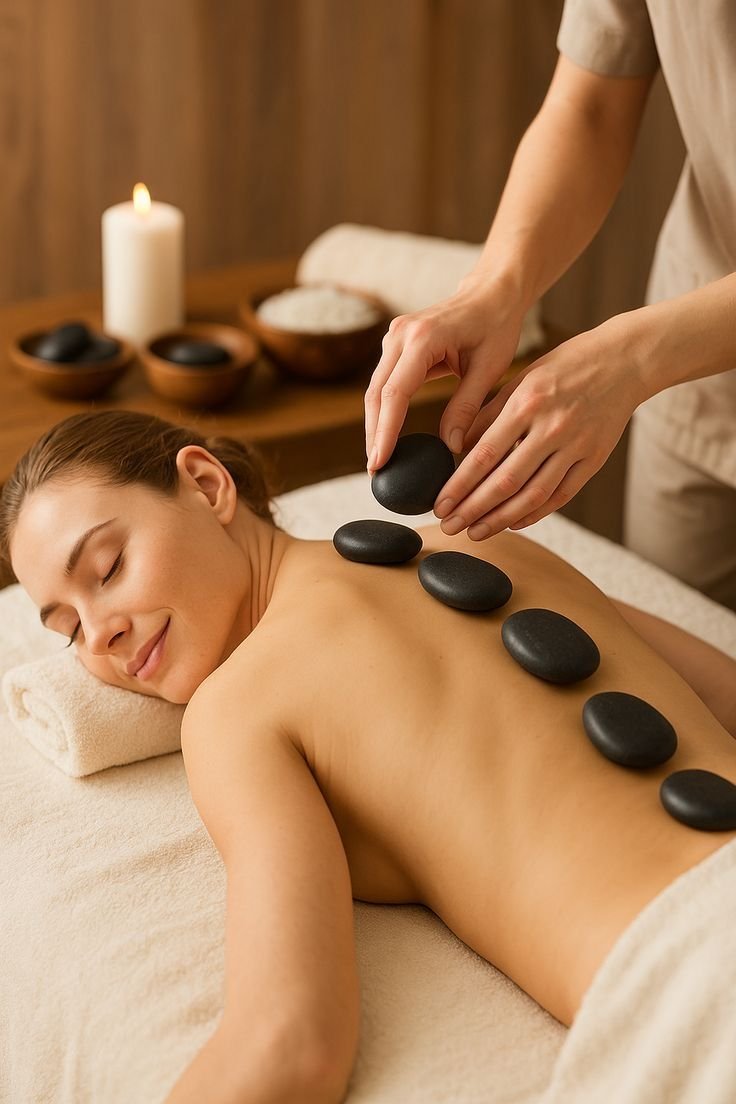
Massage for Frozen Shoulder in Raipur — Breaking the Cycle of Pain and Stiffness
Frozen shoulder — the medical term is adhesive capsulitis — is one of those conditions that sounds almost manageable until you have it. Then you realize quickly that "frozen" is accurate. The shoulder joint loses its range of motion in a way that makes basic daily activities genuinely difficult: reaching a shelf, putting on a shirt, sleeping on your side, lifting your arm above your head. And the pain that accompanies the stiffness is not subtle.
The condition typically goes through three phases. The "freezing" phase (pain and progressive stiffness building over weeks to months), the "frozen" phase (stiffness is maximal but pain often decreases somewhat), and the "thawing" phase (gradual improvement, but this can take a year or more on its own without intervention). Without treatment, the full cycle can last two to three years. That is a very long time to struggle with something as basic as shoulder mobility.
Massage therapy is one of the most effective conservative treatments available for frozen shoulder. Here is how it works and what to expect.
Why the Shoulder Freezes
The shoulder joint is surrounded by a capsule of connective tissue. In frozen shoulder, this capsule becomes inflamed and then fibrosed — it thickens and develops adhesions (abnormal fibrous connections) that restrict its normal extensibility. As the capsule tightens, the joint loses its range of motion progressively.
The trigger is often an initial injury, period of immobility (a sling after a fracture, for example), or in many cases no obvious event at all. Diabetes significantly increases frozen shoulder risk, as does thyroid disease. In Raipur's population, the combination of desk-work postures that compress shoulder joint mechanics, and the high incidence of diabetes and prediabetes, makes frozen shoulder relatively common — more common than many people realize until they or someone they know gets it.
How Massage Helps
Massage therapy addresses frozen shoulder through several mechanisms:
Breaking down adhesions: The fibrotic adhesions in the joint capsule can be partially broken down through deep, sustained manual pressure. This is not instant — it takes multiple sessions — but gradual reduction of the adhesive tissue is one of the ways massage produces lasting improvement in range of motion.
Improving local circulation: The inflammation and repair processes in the shoulder capsule require good blood supply. Poor local circulation slows healing and can perpetuate the inflammatory cycle. Massage dramatically improves local tissue circulation, supporting the natural healing process.
Releasing secondary muscle compensation: When your shoulder hurts, you unconsciously change how you move. The muscles of the neck, upper back, and opposite shoulder all compensate for the compromised shoulder. This creates a secondary pattern of tension and pain that compounds the original problem. Massage that addresses this whole compensation pattern — not just the immediate shoulder — produces more complete and lasting relief.
Pain management: The pain of frozen shoulder is partly from the inflammatory process in the capsule, and partly from the secondary muscle tension and trigger points that develop. Massage reduces both components, sometimes providing relief within a single session even when the structural issue is still present.
What to Expect in a Session Focused on Frozen Shoulder
At Raipur SPA, when a client comes in with frozen shoulder, the session is structured differently from a standard massage:
- Initial assessment of current range of motion — to establish baseline and track improvement session by session
- Heat application to the shoulder complex before deep work — this improves tissue pliability significantly
- Systematic work on the surrounding musculature: pectorals, rotator cuff muscles (supraspinatus, infraspinatus, teres minor, subscapularis), deltoid, trapezius, and neck extensors
- Careful passive range of motion work within your pain-free zone
- Work on the thoracic spine mobility, since thoracic stiffness compounds shoulder restrictions
- End-of-session stretches and home care recommendations
Sessions are typically 60-90 minutes for frozen shoulder work. The first session often focuses more on the secondary tension and pain management. As treatment progresses (usually by sessions 3-5), more specific capsular work becomes possible as the tissue becomes more responsive.
How Many Sessions and Timeline
Frozen shoulder responds to massage, but not overnight. For people in the "freezing" phase (actively worsening), weekly sessions can slow the progression and manage pain while the condition develops. For people in the "frozen" phase looking to accelerate the thawing, weekly sessions for 8-12 weeks typically produces significant improvement in range of motion.
The clinical reality is that most people with frozen shoulder who receive consistent massage treatment — combined with appropriate stretching and possibly physiotherapy — recover their range of motion faster and more completely than those who wait for spontaneous resolution. The "just wait, it will get better on its own" approach does work eventually, but it means living with significant limitation for 1-3 years. Active treatment compresses that timeline meaningfully and makes the journey less painful.
Self-Care Between Sessions
What you do between sessions matters for frozen shoulder outcomes. The therapist at Raipur SPA will give you specific recommendations, but generally:
- Gentle range-of-motion exercises daily — pendulum swings, wall crawls, door frame stretches. These maintain the mobility gains from massage sessions and prevent re-tightening.
- Heat application before exercises — a warm compress or hot shower before doing your stretches makes them more effective and less painful.
- Avoid aggressive stretching into pain — you want to work at the edge of your range, not through sharp pain. Forcing frozen shoulder movements can trigger inflammation flares.
- Sleep position modification — most frozen shoulder sufferers do better sleeping on their back or the unaffected side with a pillow supporting the affected arm.
Complementary Approaches
Massage works best for frozen shoulder as part of a broader approach. If you have been diagnosed with frozen shoulder or suspect you have it, I would recommend:
- Medical evaluation to confirm diagnosis and rule out other causes (rotator cuff tear, labral pathology)
- Regular massage therapy for soft tissue work and pain management
- Physiotherapy for specific joint mobilization techniques that go beyond what massage alone covers
- Daily gentle range-of-motion exercises at home (your therapist can demonstrate)
This combination approach consistently produces the best outcomes. Massage as the standalone treatment is good. Massage as part of this complete approach is significantly better.
Booking at Raipur SPA
If you are dealing with frozen shoulder in Raipur and looking for relief, book a session at our Samta Colony location and let us know the full picture — how long it has been going on, how bad the range of motion restriction is, whether you have had any diagnosis or previous treatment. This helps us structure the session most effectively for where you are in the condition's progression.
Frozen shoulder is genuinely treatable. You do not have to wait three years for it to resolve on its own when effective treatment is available right here in Raipur.
Enjoyed This Article?
Stop reading about relaxation — come experience it firsthand at Raipur SPA.
People Also Ask
Related Articles
Deep Tissue & Pain Relief Massage
Massage for Arthritis Pain Relief: Natural, Effective and Drug-Free Joint Pain Management
5 min read · 05 May 2026
Deep Tissue & Pain Relief Massage
Knee Pain Massage Raipur: Ghutne Ke Dard Se Relief Ka Complete Guide
4 min read · 01 May 2026
Deep Tissue & Pain Relief Massage
Sciatica Pain Massage Therapy Raipur: Kamar Aur Pair Ke Dard Ka Natural Ilaj
4 min read · 01 May 2026
Enjoyed This Article?
Stop reading about relaxation — come experience it firsthand at Raipur SPA.
 Chat on WhatsApp
Chat with us
Chat on WhatsApp
Chat with us