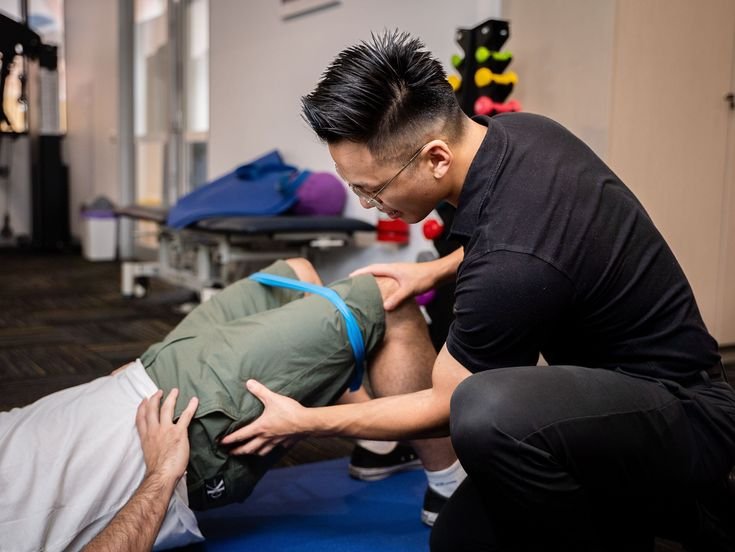
The Case for Post-Workout Massage
Post-workout massage has moved from the exclusive domain of elite sports to something increasingly any committed exerciser can access and benefit from. The research base supporting it has grown substantially in recent years, and the practical experience of athletes and coaches across disciplines consistently confirms what the studies show: massage after training accelerates recovery in ways that matter for subsequent performance.
But the details matter. Not any massage at any time after any workout produces the same benefits. Understanding the mechanisms helps you use post-workout massage effectively rather than just occasionally.
What Hard Training Does to Muscle Tissue
Every hard training session — whether strength training, running, cycling, team sport, or any other demanding physical activity — creates three kinds of stress in the working muscles:
Micro-trauma: Physical damage to muscle fibers, primarily from eccentric loading (the lowering phase of lifts, the landing impact in running). This damage is the stimulus for adaptation — the signal that drives the body to rebuild stronger. But the rebuilding takes time and resources.
Metabolic accumulation: Training generates metabolic byproducts — hydrogen ions, lactate, carbon dioxide — that accumulate in working muscle. These contribute to the burning sensation during exercise and to post-exercise soreness and stiffness if not cleared efficiently.
Inflammatory response: The immune system responds to training-induced micro-trauma with inflammation. This is necessary for repair but creates soreness, reduced range of motion, and sensitivity that persists until the process completes.
Post-workout massage addresses all three, primarily through its effects on circulation, nervous system state, and fascial tissue.
How Massage Supports Post-Training Recovery
Accelerated Metabolic Clearance
Massage mechanically increases blood flow and lymph circulation in the treated tissue. This accelerated circulation clears metabolic waste products — the byproducts of hard training that contribute to soreness and stiffness — more quickly than passive rest alone. Muscles that have been massaged show faster normalization of metabolic markers post-exercise.
Reducing DOMS
Delayed Onset Muscle Soreness — the deep ache in muscles 24-72 hours after unfamiliar or intense training — is one of massage's most studied outcomes. Multiple systematic reviews have found that post-exercise massage significantly reduces DOMS intensity and duration compared to no intervention. The practical implication: less soreness means less impairment to subsequent training sessions.
For athletes training on consecutive days or with high weekly volume, DOMS reduction isn't just comfort — it's a performance variable. If your legs are still deeply sore from Tuesday's session, Wednesday's quality suffers. Managing DOMS through post-workout massage maintains the quality of each session and enables higher total training volume over time.
Maintaining Tissue Quality
Repeated training without adequate tissue maintenance creates progressive accumulation of adhesions, trigger points, and fascial restrictions. These develop insidiously — each session leaves a small residue of incomplete recovery, which compounds over months and years. Regular post-workout massage prevents this accumulation by maintaining tissue quality at each stage rather than letting problems build.
The practical consequence of ignored tissue quality is typically an injury that seems sudden but was actually a long time coming. The final straw — the twist, the slightly awkward landing, the single rep too many — would have been harmless in healthy tissue. In tissue that's been accumulating restriction and vulnerability over months, it's the thing that finally breaks through.
Nervous System Downregulation
Hard training elevates sympathetic nervous system activity. The fight-or-flight mode that powers intense physical effort needs to transition to parasympathetic recovery mode for effective healing and adaptation to occur. This transition doesn't happen instantaneously — post-training, many people stay in a residually activated state that impairs sleep quality and recovery efficiency.
Massage accelerates this transition. Post-workout massage shifts the nervous system toward parasympathetic dominance, improving the quality of recovery in the hours following training. Better recovery state means better adaptation — the training actually produces more of its intended benefit when recovery is well-supported.
Psychological Recovery
The psychological component of recovery is underappreciated. Mental fatigue, motivational depletion, and the accumulated stress of high training loads are real performance factors. Post-workout massage's effects on mood, anxiety, and mental ease are documented — reduced cortisol, increased feelings of wellbeing, lower perceived exertion ratings for the same training loads. Over a training cycle, this psychological support maintains motivation and perceived capacity to train.
The mental reset of a quality post-workout massage session is something athletes consistently describe as separately valuable from the physical effects. You come out of the session not just less sore but clearer, more positive about training, more able to see the longer arc of what you're working toward.
Timing Your Post-Workout Massage
The timing question comes up consistently from athletes: how soon after training?
Immediately Post-Training (0-2 Hours)
A lighter massage — circulatory, not deep — in the immediate post-training window helps with metabolic clearance and nervous system downregulation. Don't go for deep tissue work immediately post-training; the tissue is acutely stressed and aggressive manipulation is an additional stressor. Light to moderate Swedish or flushing techniques serve this window well.
24-48 Hours Post-Training
This is the window for more substantive recovery massage. The acute inflammatory phase has settled somewhat, the tissue is in the repair phase, and deeper work is both tolerable and therapeutic. DOMS reduction research generally studies massage in this window. If you can only do post-training massage once, this is the more impactful timing for most training scenarios.
Pre-Next-Training Session
A maintenance session in the days before your next hard training is the recovery-maintenance hybrid timing — addressing residual tension and adhesions from the previous session while preparing tissue for the demands ahead.
Sport-Specific Considerations
Different sports create different physical demands and different recovery needs. A few examples:
Runners: focus on calves, hamstrings, hip flexors, and IT band — the areas under highest eccentric load and most prone to tightness and restriction. Plantar fascia work is relevant for those dealing with foot issues.
Weightlifters: focus on whatever muscle groups were trained, with attention to the lower back (universally loaded), and the shoulders (often chronically tight in overhead athletes). Cross-fiber friction for adhesions in heavily worked muscles.
Cricket and field sport players: more asymmetrical — dominant side shoulder and arm for bowlers and batsmen, hip and groin for those doing explosive rotational movements, calves and ankles for fielders.
Cyclists: quadriceps, hamstrings, and hip flexors, with significant lower back work needed from sustained flexed position on the bike. Neck and shoulder tension from road position.
When you book at Raipur SPA, tell us your sport and recent training. The session design will be shaped by what your specific activity demands of your body.
What We Recommend at Raipur SPA
For athletes and regular gym-goers who want to integrate massage into their training support, we typically recommend:
- Weekly maintenance sessions for high-volume trainers (5+ sessions per week)
- Bi-weekly sessions for moderate training loads (3-4 sessions per week)
- Monthly sessions minimum for recreational exercisers who want injury prevention and baseline maintenance
Within sessions, we work with your training context. A marathon runner's needs differ from a powerlifter's, which differ from a recreational cricket player's. Understanding your training, your history, and your current complaints lets us focus the session appropriately rather than applying a generic protocol.
If you're training in Raipur and treating recovery as an afterthought, you're leaving performance and longevity on the table. Post-workout massage is one of the higher-value investments you can make in your training program. We're here to support it.
Related Articles You Might Like
- Sports Massage Recovery for Athletes and Gym-Goers in Raipur
- Sports Massage for Athletes: Performance and Recovery in Raipur
- Why Regular Massage is Better Than Occasional Spa Visits
- Back Pain? Here's Why Massage Works Better Than Painkillers (Research-Backed)
- Reflexology Foot Massage Pressure Points: Complete Guide from Raipur SPA
- Massage for Blood Pressure: How Spa Therapy Supports Heart Health
Frequently Asked Questions
Is Raipur SPA the best massage center in Raipur?
With a 4.8-star Google rating and over 500 verified reviews, Raipur SPA is consistently ranked as the top spa in Raipur. We have served over 5,000 clients across Chhattisgarh with professional therapists, premium products, and genuine therapeutic results.
Where is Raipur SPA located?
Raipur SPA is located in Samta Colony, Raipur, Chhattisgarh. We are accessible from Civil Lines (15 min), Shankar Nagar (10 min), Pandri (12 min), Telibandha (8 min), and Naya Raipur (20 min). On-premises parking is available.
What are Raipur SPA's timings and how to book?
We are open every day from 10 AM to 10 PM, including Sundays and holidays. Call +91 7987 303 127 or +91 9399 075 318 to book. Walk-ins are welcome but advance booking is recommended for weekends and special occasions.
What massage services does Raipur SPA offer?
We offer Swedish massage, deep tissue massage, aromatherapy massage, hot stone massage, four hand massage, Thai massage, Balinese massage, couples spa, prenatal massage, foot reflexology, head massage, back massage, sports massage, and full spa packages. Services start from Rs. 599.
Is Raipur SPA hygienic and safe?
Hygiene is our highest priority. We use fresh linen for every client, sanitize all equipment between sessions, use disposable undergarments, maintain professional health standards, and all therapists undergo regular hygiene training with post-COVID enhanced cleaning protocols.
Do you have separate facilities for male and female clients?
Yes, Raipur SPA maintains completely separate treatment areas, change rooms, and waiting areas for male and female clients. Male clients are attended by male therapists and female clients by female therapists. Privacy and comfort are fully guaranteed.
How much does a massage at Raipur SPA cost?
Our massage prices start from Rs. 599 for express treatments to Rs. 3,999 for premium luxury packages. Most popular treatments like full body massage (Rs. 999), couples spa (Rs. 1,999), and aromatherapy massage (Rs. 1,299) offer excellent value for the quality delivered.
Book Our Massage Services
Raipur SPA, Samta Colony | Expert therapists from Northeast India | Call to book: +91 98765 43210
People Also Ask
Related Articles
Sports, Fitness & Weight Management
Sports Massage for Athletes and Fitness Enthusiasts – Performance, Recovery, and Injury Prevention
9 min read · 05 May 2026
Sports, Fitness & Weight Management
Massage Before And After Gym Raipur: Performance Aur Recovery Ka Complete Guide
8 min read · 01 May 2026
Sports, Fitness & Weight Management
Sports Massage Raipur: Athletes Aur Active People Ke Liye Performance Recovery Guide
8 min read · 01 May 2026
Enjoyed This Article?
Stop reading about relaxation — come experience it firsthand at Raipur SPA.
Sports Massage for Athletes and Fitness Enthusiasts – Performance, Recovery, and Injury Prevention
Massage Before And After Gym Raipur: Performance Aur Recovery Ka Complete Guide
Sports Massage Raipur: Athletes Aur Active People Ke Liye Performance Recovery Guide
 Chat on WhatsApp
Chat with us
Chat on WhatsApp
Chat with us

DeepSeek AI · Raipur SPA