Introduction to Sports Massage
Sports massage is a specialized form of massage therapy designed specifically for athletes and physically active individuals. Unlike general relaxation massage, sports massage focuses on the specific muscles and movement patterns used in your sport or fitness activity. It is a targeted, results-oriented therapy aimed at improving performance, accelerating recovery, preventing injuries, and extending athletic careers.
At Raipur SPA, our sports massage therapists understand the demands that training places on your body. Whether you are a competitive athlete, a weekend warrior, or someone who has recently started a fitness routine, sports massage can help you train harder, recover faster, and stay injury-free. We work with runners, cricketers, kabaddi players, gym-goers, yoga practitioners, and everyone in between.
How Sports Massage Differs from Regular Massage
While regular massage focuses on general relaxation and stress relief, sports massage is clinical and goal-oriented. The therapist assesses your specific muscle groups, identifies areas of tightness or imbalance, and applies targeted techniques to address them. The pressure is often deeper, and the session may include active stretching, range-of-motion testing, and specific therapeutic interventions.
Sports massage is not always relaxing in the traditional sense — some techniques can be intense. However, the results — improved mobility, reduced pain, faster recovery — make it deeply rewarding for athletes who understand the value of body maintenance.
Key Benefits of Sports Massage
1. Improved Performance
Regular sports massage keeps your muscles in optimal condition. By identifying and releasing tight spots before they become injuries, maintaining flexibility, and improving circulation, sports massage helps you perform at your best. Many athletes report feeling stronger, more flexible, and more coordinated with regular sports massage.
2. Faster Recovery
After intense exercise, your muscles need to repair and rebuild. Sports massage accelerates this process by increasing blood flow to the worked muscles, which delivers oxygen and nutrients while removing metabolic waste products like lactic acid. This means less soreness and faster return to training.
3. Injury Prevention
Most sports injuries are not sudden accidents — they develop over time from accumulated micro-trauma, muscle imbalances, and poor movement patterns. Sports massage identifies and addresses these issues before they become serious. Tight muscles are released, trigger points are treated, and range of motion is restored, reducing your risk of injury significantly.
4. Rehabilitation Support
If you are recovering from an injury, sports massage can play a crucial role in your rehabilitation. Techniques like cross-fiber friction, myofascial release, and scar tissue management help break down adhesions, restore tissue health, and speed healing.
5. Reduced Muscle Soreness
Delayed onset muscle soreness (DOMS) — that stiffness and pain you feel 24-72 hours after a hard workout — can be significantly reduced with sports massage. The improved circulation and reduced inflammation help your muscles recover more comfortably.
6. Mental Preparation and Focus
Sports massage is not just physical — it also helps athletes mentally prepare for competition. The focused, intentional touch helps you get in touch with your body, identify areas of tension, and develop body awareness that translates to better performance.
Types of Sports Massage
Pre-Event Massage
Performed within 1-3 days before a competition. It is lighter and more stimulating, designed to warm up muscles, improve circulation, and prepare the body for peak performance. It also helps calm pre-competition nerves.
Post-Event Massage
Performed within 1-6 hours after competition. It is light and soothing, aimed at reducing muscle soreness, flushing out metabolic waste, and promoting recovery. Gentle, flushing strokes are used to encourage circulation.
Recovery / Maintenance Massage
Performed regularly (typically weekly or bi-weekly) during training periods. This is deeper work that addresses muscle tightness, corrects imbalances, and maintains optimal muscle function.
Rehabilitation Massage
Targeted work on specific injured areas as part of a broader treatment plan. This may involve deeper techniques to break down scar tissue, improve flexibility, and restore normal function.
Techniques Used in Sports Massage
- Effleurage: Long, gliding strokes to warm up tissues and promote circulation.
- Petrissage: Kneading and lifting of muscle tissue to release tension and improve flexibility.
- Friction: Deep, focused pressure across muscle fibers to break down adhesions and scar tissue.
- Trigger Point Therapy: Targeted pressure on specific points of muscle spasm to relieve referred pain.
- Myofascial Release: Gentle, sustained pressure on the fascia (connective tissue) to release restrictions.
- Stretching: Active and passive stretching to improve flexibility and range of motion.
- Compression: Rhythmic, pumping pressure to flush muscles and reduce swelling.
What to Expect During a Sports Massage at Raipur SPA
Intake and Assessment
Your session begins with a detailed conversation about your sport, training routine, recent workouts, and any areas of pain or concern. The therapist may perform range-of-motion tests and palpate specific muscles to identify areas of tightness or tenderness.
The Treatment
Based on the assessment, the therapist will focus on the muscles most relevant to your activity. For a runner, that might mean working the calves, hamstrings, and hip flexors. For a cricketer, the focus might be on shoulders, rotator cuff, and core.
The therapist will use a combination of techniques, starting with lighter work to warm the tissues and progressing to deeper, more specific work as needed. Communication is crucial — tell your therapist if the pressure is too intense or if you have specific areas of concern.
Post-Treatment Advice
Your therapist will provide recommendations for stretching, hydration, and when you can return to training. They may also suggest a schedule for future sessions based on your training cycle and goals.
Who Should Get Sports Massage?
- Competitive athletes at any level
- Recreational runners, cyclists, and swimmers
- Gym-goers and weightlifters
- Cricket, football, kabaddi, and badminton players
- Yoga and Pilates practitioners
- Anyone who has recently started a fitness program
- People recovering from sports injuries
- Fitness professionals and trainers
FAQs About Sports Massage
Does sports massage hurt?
Some techniques, particularly deep tissue work on tight muscles and trigger point therapy, can be uncomfortable — often described as a "good hurt." However, the therapist will work within your tolerance. Inform them if anything is too painful. The discomfort is temporary and leads to significant relief afterward.
How often should I get sports massage?
For active athletes in training, once a week is ideal. For regular fitness enthusiasts, once every two to four weeks is sufficient for maintenance. During intensive training periods or before competitions, more frequent sessions may be beneficial.
Can sports massage replace a warm-up or cool-down?
No. Sports massage is complementary to proper warm-up and cool-down routines. It should not replace them. Your pre- and post-workout habits remain essential for performance and safety.
When should I NOT get a sports massage?
Avoid sports massage if you have acute injuries (like a fresh muscle tear or fracture), fever, skin infections, deep vein thrombosis, or if you have recently had surgery in the area. Always consult with your doctor and therapist.
Can beginners get sports massage?
Absolutely. Sports massage is beneficial for anyone who exercises, regardless of experience level. It can help beginners avoid injuries and establish healthy movement patterns.
Conclusion
Sports massage is an essential tool for anyone serious about their physical activity. It is not a luxury — it is a form of body maintenance that helps you perform better, recover faster, and stay healthy. The investment in regular sports massage pays dividends in reduced injuries, improved performance, and longer athletic life.
At Raipur SPA, we understand the demands of sports and fitness. Our therapists are trained to work with athletes of all levels and disciplines. We will work with you to create a massage schedule that supports your training goals and keeps your body in peak condition.
Book Your Sports Massage at Raipur SPA
Don't let tight muscles, nagging pain, or slow recovery hold you back. Visit Raipur SPA for a professional sports massage tailored to your sport and your body. Call us or book online to schedule your session and take your performance to the next level.
Why Athletes in Raipur Are Turning to Sports Massage
The sports culture in Raipur is growing rapidly, with increasing numbers of people engaging in regular fitness activities — from running and cycling to cricket, kabaddi, and gym training. What many athletes discover too late is that intense training without adequate recovery leads to overuse injuries, performance plateaus, and eventual burnout. Sports massage addresses this by targeting the specific muscle groups that are stressed by particular sports. For runners, the focus is on calves, hamstrings, and hip flexors. For cricketers, the shoulders, rotator cuff, and lower back receive the most attention. For gym-goers, the entire kinetic chain is addressed with emphasis on whichever muscle groups are being trained most intensively. Unlike general relaxation massage, sports massage uses techniques specifically designed to maintain muscle health during training — compression to flush metabolic waste, cross-fibre friction to break up adhesions, and stretching to maintain range of motion. Pre-event sports massage is lighter and stimulating, while post-event work is deeper and focuses on recovery. At Raipur SPA, our sports massage therapists understand athletic biomechanics and can tailor each session to your specific training programme.
Client Success: Vikram's Marathon Preparation
Vikram, a 37-year-old banker and amateur marathon runner from Telibandha, was training for his first full marathon when he hit a wall. Recurring calf tightness was limiting his mileage, and his IT band was causing knee pain that made even short runs uncomfortable. He started weekly sports massage at Raipur SPA eight weeks before his marathon. The first few sessions were uncomfortable — his therapists found deep adhesions in his calves and glutes that had been building for years. Over the following weeks, his range of motion improved, his knee pain resolved, and he was able to complete his longest training runs without the familiar tightness that had been limiting him. He finished his marathon with no injuries and a time that exceeded his goal. He continues bi-weekly sports massage as a regular part of his training cycle, convinced that it was the missing piece in his preparation.
FAQ: Do I Need to Be a Professional Athlete to Benefit From Sports Massage?
Not at all. Sports massage benefits anyone who exercises regularly, regardless of their fitness level. If you work out three or more times per week, play recreational sports, or are training for a specific fitness event, sports massage can help prevent injuries, improve recovery, and enhance performance. The techniques are not designed exclusively for elite athletes — they are designed for active bodies.
People Also Ask
Related Articles
Sports, Fitness & Weight Management
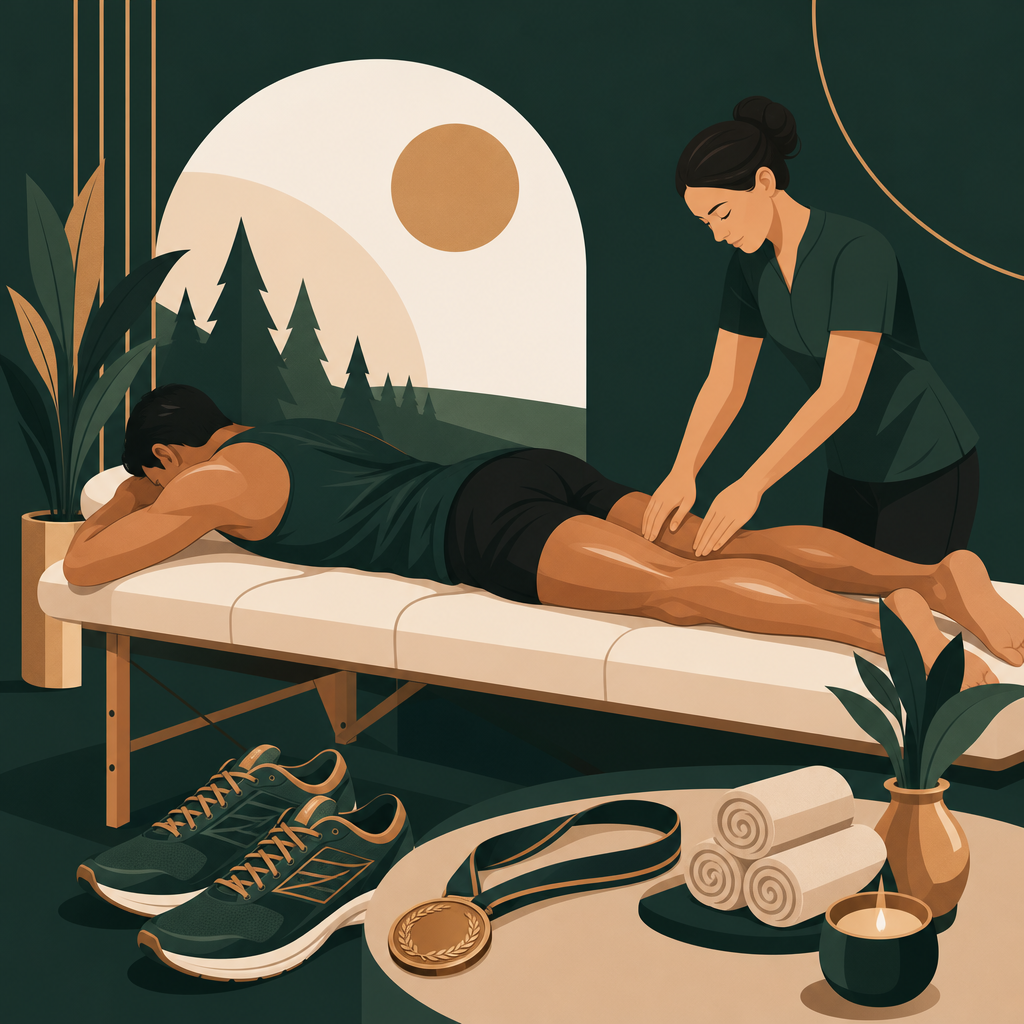
Post-Marathon Recovery: A Runner's Guide to Massage Therapy
15 min read · 12 May 2026
Sports, Fitness & Weight Management
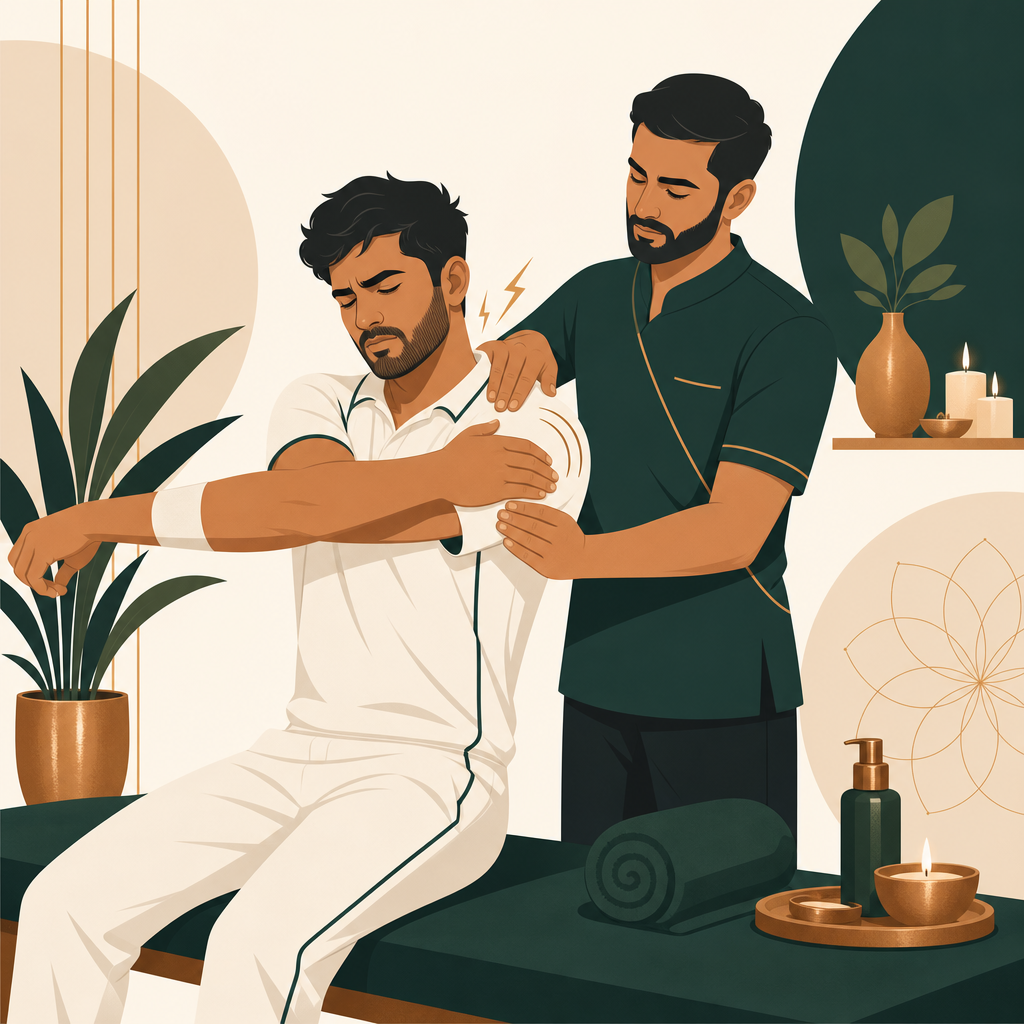
Cricket Injury Prevention: Massage for Bowlers and Batsmen
12 min read · 12 May 2026
Sports, Fitness & Weight Management
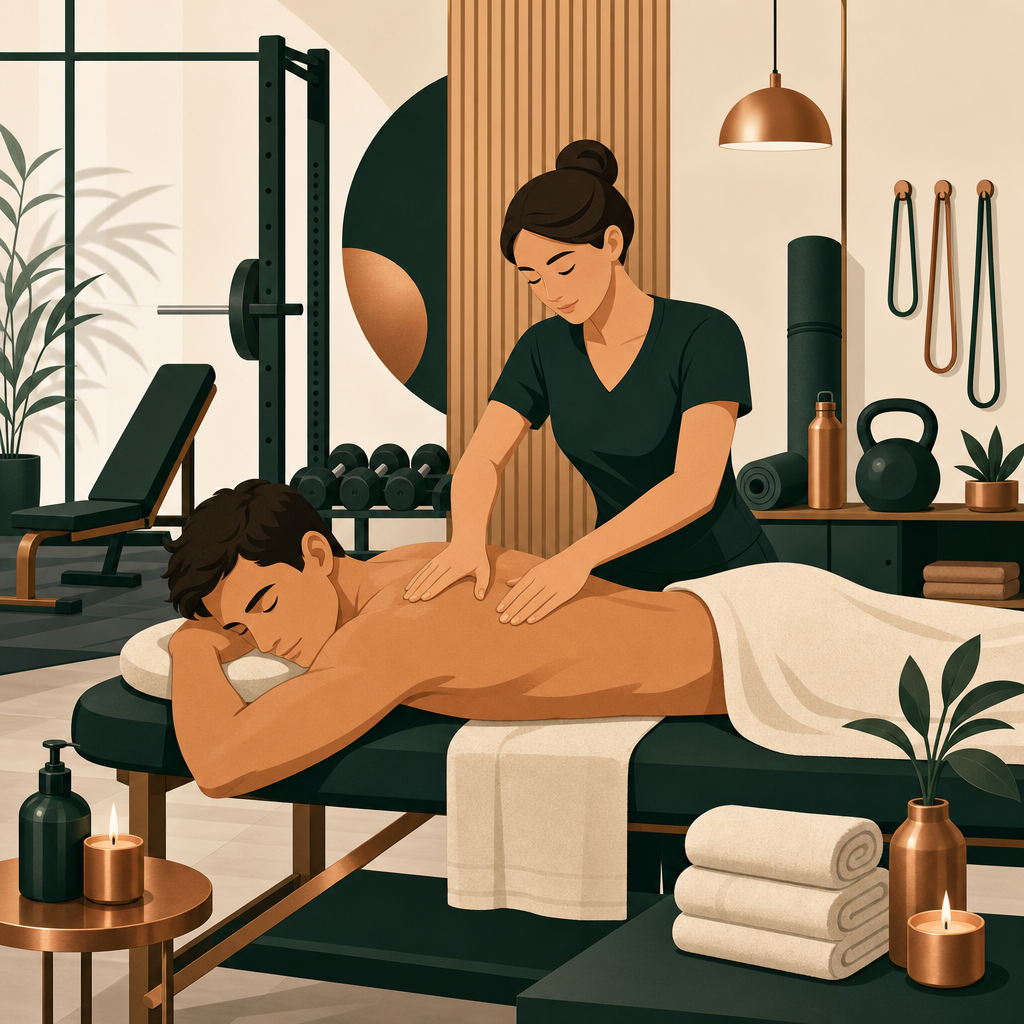
Gym Recovery 101: Pre-Workout vs Post-Workout Massage Timing
11 min read · 12 May 2026
Enjoyed This Article?
Stop reading about relaxation — come experience it firsthand at Raipur SPA.