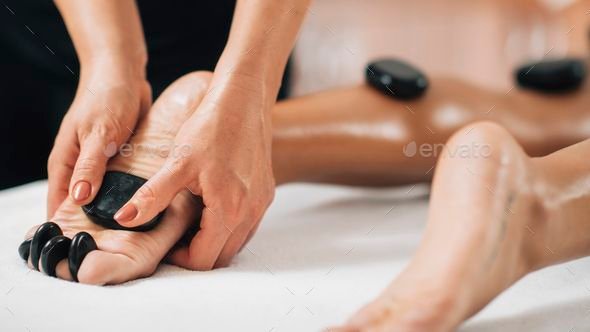
Thai Massage in Raipur: Authentic Stretching and Pressure Therapy
Thai massage is unlike any other massage available in Raipur. It is not an oil-based treatment. You do not undress. You do not lie still on a table while a therapist works over you. Thai massage is an active, physical, and at times intense experience that combines elements of yoga, acupressure, and assisted stretching in a way that has no real parallel in Western massage traditions. Understanding what it actually involves helps you decide whether it is the right treatment for you and what to expect from your session.
What Authentic Thai Massage Is
Traditional Thai massage — known in Thailand as Nuad Thai — works on a framework of energy lines called sen. There are ten primary sen lines that run through the body, conceptually similar to the meridians of Chinese medicine. The therapist applies rhythmic pressure along these lines using thumbs, palms, forearms, elbows, knees, and feet. The goal is to clear blockages along these pathways and restore energy flow throughout the body.
The treatment takes place on a floor mat — though some modern Thai massage practices use a firm table — and the client wears loose, comfortable clothing. No oil is used. The session involves continuous movement: the therapist adjusts positions frequently, working through a choreographed sequence of compressions and stretches that covers the entire body over 60 to 120 minutes.
The stretching component is what most people find most surprising. Thai massage includes passive yoga-like postures in which the therapist guides the client through stretches they could not achieve independently — or could not safely maintain — without assistance. A therapist might place a foot on the client's hip and gently draw the leg upward into a deep hip flexor stretch, or lean across the client's back while drawing the arms upward into a chest-opening position. These stretches, performed within the context of the warming pressure work that precedes them, achieve ranges of movement that years of solo stretching may not have produced.
How Thai Massage Differs from Other Types
Swedish massage uses oil, follows the direction of muscle fibers, and is primarily about relaxation through stimulating circulation. Thai massage uses no oil, moves across and along energy lines rather than following Western anatomical logic, and produces relaxation through releasing joint restriction and muscle shortening.
Deep tissue massage targets specific layers of muscle and connective tissue using slow, sustained pressure. Thai massage applies rhythmic sequential pressure across the whole body rather than working at depth in a specific area.
Sports massage is used for specific athletic recovery goals — reducing inflammation, flushing metabolic waste, addressing overuse injuries. Thai massage is used for systemic flexibility, joint mobility, and tension pattern release, which overlaps with sports massage goals but through different techniques.
Shiatsu is the closest cousin — both use acupressure-style compression along energy lines. Thai massage adds the extensive stretching component that makes it uniquely physically engaging.
Specific Benefits of Thai Massage
The most consistently reported benefit is improved flexibility. People who have lived with chronic tightness in the hips, hamstrings, or thoracic spine — particularly those who sit at a desk for most of the day — find that Thai massage produces genuine range-of-motion improvements that persist for several days after the session. Regular sessions over months produce cumulative improvements.
Joint mobility is the related benefit. Thai massage works the joints through their full range during the stretching sequences — ankles, knees, hips, shoulders, elbows, and the spinal joints. For people who do not exercise regularly, the passive mobilization of joints that are otherwise static throughout the day can be immediately noticeable.
Chronic tension patterns — the patterns of held muscle contraction that develop over years from posture, habit, and stress — respond particularly well to Thai massage. The combination of sustained compression and assisted stretch addresses both the superficial tension and the underlying range restriction simultaneously. Many clients describe the sensation of a long-standing pattern releasing during a session as both physically significant and emotionally surprising.
What a Session Feels Like Physically
Walking in for a first Thai massage, the physical experience is more intense than most people expect. The pressure applied with elbows and forearms is firm and sustained. The stretches can feel intense at the edge of range. There may be moments of moderate discomfort when the therapist works on a particularly contracted area.
This is not pain in the damaging sense — it is the sensation of tight tissue being worked through its restriction. Experienced therapists distinguish between productive therapeutic discomfort and actual pain and adjust accordingly. Communication during the session matters: if a stretch feels sharp or a pressure point causes radiating sensation beyond mild intensity, say so immediately.
After the session, most clients report a sensation of unusual lightness — a feeling that the body is less compressed and more mobile than it was walking in. Some experience a day of mild muscle soreness similar to post-exercise soreness, which resolves within 24 to 48 hours and is followed by the characteristic feeling of openness that defines Thai massage's aftereffect.
Who Should Try Thai Massage First
Thai massage is particularly well-suited to people who sit for extended periods at work and have developed hip, lower back, and thoracic tightness as a result. It is also highly appropriate for people who find standard massage too passive — those who want to feel that something has actually happened physically during the treatment.
Athletes and people with active lifestyles benefit from the joint mobility and flexibility work. People who have tried yoga but find it difficult due to existing tightness often find that Thai massage improves their range of movement enough to make yoga practice more accessible.
Finding Authentic Technique
The quality of Thai massage depends almost entirely on the therapist's training. The proper sen line sequences, the specific leverage techniques for safe stretching, and the pressure calibration require training that goes beyond what is typically covered in a general massage certification. At Raipur Spa, Thai massage is delivered only by therapists who have received specific training in the technique, ensuring that the session follows authentic methodology rather than a loosely stretching-influenced general massage.
Pricing
Thai massage sessions at Raipur Spa are priced between Rs. 1,200 and Rs. 1,800. A 60-minute session provides a thorough introduction to the technique and covers all major body areas. The 90-minute session allows more time in each area and is recommended for clients with significant flexibility restrictions who want comprehensive work. First-time clients are encouraged to book the 60-minute session and then decide whether they want the longer format based on their experience.
Enjoyed This Article?
Stop reading about relaxation — come experience it firsthand at Raipur SPA.
People Also Ask
Related Articles
Thai Massage & Yoga Therapy
Thai Massage: Stretching and Energy Lines – Ancient Healing Meets Modern Flexibility
7 min read · 05 May 2026
Thai Massage & Yoga Therapy
Hypertension Massage Raipur: High Blood Pressure Mein Safe Spa Treatment Guide
4 min read · 01 May 2026

Thai Massage & Yoga Therapy
Diabetes Patient Massage Raipur: Safe Aur Beneficial Spa Treatment Guide
5 min read · 01 May 2026
Enjoyed This Article?
Stop reading about relaxation — come experience it firsthand at Raipur SPA.
 Chat on WhatsApp
Chat with us
Chat on WhatsApp
Chat with us